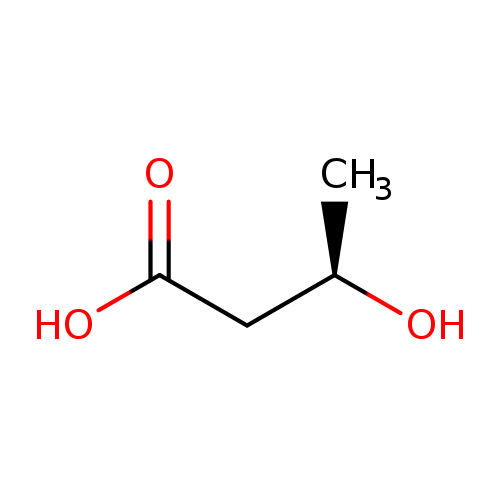
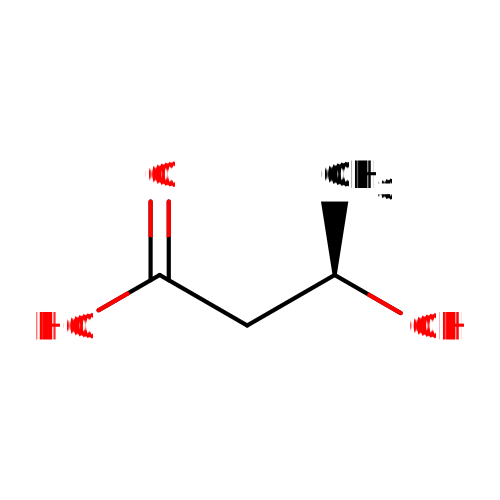
(R)-3-Hydroxybutyric acid, also known as (R)-3-hydroxybutanoate or 3-D-hydroxybutyrate, belongs to the class of organic compounds known as beta hydroxy acids and derivatives. Beta hydroxy acids and derivatives are compounds containing a carboxylic acid substituted with a hydroxyl group on the C3 carbon atom (R)-3-Hydroxybutyric acid exists as a solid, very hydrophobic, practically insoluble (in water), and relatively neutral molecule (R)-3-Hydroxybutyric acid exists in all living organisms, ranging from bacteria to humans (R)-3-Hydroxybutyric acid can be converted into acetoacetic acid; which is catalyzed by the enzyme (r)-3-hydroxybutyric acid dehydrogenase, mitochondrial. In cattle, (R)-3-hydroxybutyric acid is involved in the metabolic pathway called the ketone body metabolism pathway.
belongs to the class of organic compounds known as beta hydroxy acids and derivatives. Beta hydroxy acids and derivatives are compounds containing a carboxylic acid substituted with a hydroxyl group on the C3 carbon atom.
Non-esterified fatty acid (NEFA) and b-hydroxybutyrate (BHB) were determined with a colorimetric kit produced by Randox (Randox Laboratories Ltd, Crumlin, UK), whereas haptoglobin (Hp) concentration was obtained by using the reagents from the Tridelta Phase Haptoglobin Colorimetric Assay (Tridelta Development Limited, Maynooth, County Kildare, Ireland.): NEFA, BHB and Hp were analyzed following the manufacturer's specific application for the Cobas C501 analyzer.
Written in the paper as “b-hydroxybutyrate” and “serum”
Serum was analyzed for concentrations of leptin, cortisol, blood urea nitrogen, β-hydroxybutyrate (BHB), free fatty acids (FFA), triglycerides, and total protein (TP).
Written in the paper as “β-hydroxybutyrate” and “Serum”
Additionally, blood was drawn into serum vacutainers (Greiner Bio-One GmbH, Kremsmunster, Austria) for determination of urea, glucose, b-OH-butyrate (BHB), non-esterified fatty acids (NEFA), bile acid, total protein, albumin, aspartate aminotransferase (AST), gamma-glutamyl transferase (g-GT), glutamate dehydrogenase (GLDH), and total bilirubin.
Written in the paper as “b-OH-butyrate” and “serum”
(C) Associations between the abundance of Lactobacillus or Frisingicoccus and circulating BHB levels in dairy cows based on Spearman s correlation analysis.
Written in the paper as “b-hydroxybutyrate” and “serum”
Initially, we determined the serum BHBA, GLU, NEFA, and TG concentrations, to characterize the dynamic changes in energy metabolism during the peripartum period (Fig. 2a).
Written in the paper as “b-hydroxybutyrate” and “serum”
The ketotic dairy cattle needed a maximum 30-day follow-up period post-therapy to restore their physiological status for clinical scoring data (7 days needed) and most serum lipid indices [14 days needed, i.e., apoB-100, β-hydroxy butyric acid, NEFA, glucose, cholesterol, and AST].
Written in the paper as “β-hydroxy butyric acid” and “serum”
Additionally, total cholesterol (TC), triglycerides (TG), nonesterified fatty acids (NEFA), b-hydroxybutyrate (b-HB), acetoacetate (ACAC), acetyl-CoA (A-CoA), fatty acid synthase (FAS), adipose triglyceride lipase (ATGL), and other indicators were measured using a microplate reader (Bethon Synergy H1) according to the instructions provided by the Shanghai Duma kit (Shanghai, China).
Written in the paper as “b-hydroxybutyrate” and “serum”
Bovine-specific enzyme-linked immunosorbent assay (ELISA) kits (Abcam, Cambridge, UK) and a microplate reader (Thermo Multiskan Ascent, Thermo Fisher Scientific, Shanghai, China) were employed to determine the serum concentrations of non-esterified fatty acids (NEFA), b-hydroxybutyrate (BHBA), immunoglobulin G and M (IgG, IgM), granulocyte-macrophage colony-stimulating factor (GM-CSF), and interleukin-6 (IL-6).
Written in the paper as “b-hydroxybutyrate” and “serum”
Serum concentrations of b-hydroxybutyrate, non-esterified fatty acids (NEFA), glucose, aspartate aminotransferase (AST), alanine aminotransferase (ALT), total protein (TP), calcium, phosphorus, and magnesium were measured using commercial biochemical assay kits provided by Mindray Biomedical Electronics Co., Ltd. (Shenzhen, China) and analyzed with the Mindray BS-830 S fully automatic biochemistry analyzer (Mindray Biomedical Electronics Co., Ltd.) at the Biotechnology Centre of Heilongjiang Bayi Agricultural University.
Written in the paper as “b-hydroxybutyrate” and “Serum”
In early lactation cows, there is a positive correlation between serum T4 and serum beta-hydroxy butyrate (BHB) (Mohebbi-Fani et al. 2009; Kafi et al. 2012).
Written in the paper as “beta-hydroxy butyrate” and “serum”
However, no significant differences in circulating NEFA or BHB were observed between the two groups, and the reduced serum INS levels in LH cows may reflect elevated lactational demands.
Written in the paper as “b-hydroxybutyrate” and “Serum”
The samples were analyzed for b-hydroxybutyrate (BHBA), total cholesterol (TC), glucose (GLU), non-esterified fatty acids (NEFA), total protein (TP), albumin (ALB), urea, total bilirubin (TBIL), IGF-1, total antioxidant capacity (T-AOC), superoxide dismutase (SOD), glutathione peroxidase (GSH-Px), malondialdehyde (MDA), IL-1b, tumor necrosis factor-alpha (TNFa), IL-6, serum amyloid A (SAA), lipopolysaccharide binding protein (LBP), and haptoglobin (HPT).
Written in the paper as “b-hydroxybutyrate” and “serum”
Research utilizing mediation analysis models confirmed that key genera, including Prevotella and UBA1066, influence serum BHBA and glucose concentrations by regulating propionate and glucogenic amino acid levels.
Written in the paper as “b-hydroxybutyrate” and “serum”
According to glucose (GLU), b hydroxybutyrate acid (BHB) and NEFA serum levels, as well as liver TAG content, 10 healthy and 10 fatty liver affected cattle were selected for this experiment.
Written in the paper as “b hydroxybutyrate acid” and “serum”
Longitudinal changes in serum energy metabolism and liver function indices during the periparturient period, including b-hydroxybutyrate (BHBA), glucose (GLU), non-esterified fatty acids (NEFA), triglyceride (TG), total cholesterol (TC), aspartate aminotransferase (AST), alanine aminotransferase (ALT), low-density lipoprotein cholesterol (LDL), high-density lipoprotein cholesterol (HDL), blood urea nitrogen (BUN), total bilirubin (T-Bil), and direct bilirubin (D-Bil).
Written in the paper as “b-hydroxybutyrate” and “serum”
Serum biochemical indices, including glucose (GLU), creatinine (CREA), urea, total cholesterol (TC), triglyceride (TG), non-esterified fatty acids (NEFA), b-hydroxybutyrate (BHBA), total protein (TP), albumin (ALB), aspartate aminotransferase (AST), and alanine aminotransferase (ALT), were determined using commercial assay kits (Jiangsu Aidisheng Biotechnology Co., Ltd., Yancheng, China) according to the manufacturer s instructions.
Written in the paper as “b-hydroxybutyrate” and “Serum”
The sera were analyzed for β-hydroxybutyrate (BHBA), nonesterified fatty acids (NEFA), glucose, cholesterol, albumin, urea, and aspartate amino transferase (AST).
Written in the paper as “β-hydroxybutyrate” and “sera”
No significant differences in serum metabolite profile for f b-hydroxybutyrate (BHB), g non-esterified fatty acids (NEFA) and h Urea between cows that developed CE and HC, although temporal changes were significantly changed.
Written in the paper as “b-hydroxybutyrate” and “serum”
From these 70 calves, 45 calves (n = 22, control; n = 23, FPTRT) were selected randomly for evaluation of serum b-hydroxybutyrate (BHBA) concentrations.
Written in the paper as “b-hydroxybutyrate” and “serum”
Currently, the gold standard for diagnosis of ketosis is based on detection of bHBA in serum or plasma using a commercially available instrumentation used in humans for detection of diabetes [74].
Written in the paper as “b-hydroxybutric acid” and “serum”
Serum concentrations of glucose, urea nitrogen (BUN), triglycerides, β-hydroxybutyrate (BHBA), and cholesterol were unaffected by the dietary treatments (P ≥ 0.13).
Written in the paper as “β-hydroxybutyrate” and “Serum”
In serum samples, calcium, magnesium, phosphorus, total protein, creatinine, urea, b-hydroxybutyrate (BHB) and non-esterified fatty acids (NEFA) were analysed using an automatic biochemistry analyser (COBAS C-311; Roche, Mannheim, Germany).
Written in the paper as “b-hydroxybutyrate” and “serum”
Serum concentrations of total glucose, b-hydroxybutyrate (BHB), non-esterified fatty acids (NEFA), urea nitrogen, haptoglobin, visfatin, cholesterol, a-tocopherol, calcium, magnesium, and phosphorus were determined as reported previously (Qu et al., 2013; 2014; Fadden and Bobe, 2015).
Written in the paper as “b-hydroxybutyrate” and “Serum”
The aim of the study was to investigate the association between serum concentrations of BHB and the changes in the fatty acid concentration of the plasma lipid fraction in a population of Holstein-Friesian dairy cows in early lactation using TLC-GC.
Written in the paper as “b-hydroxybutyrate” and “serum”
In order to assess the effect of fixed effects on prediction accuracy and biomarker discovery, we used orthogonal partial least squares (OPLS) regression to quantify the relationship between NMR spectra and concentrations of the current gold standard serum biomarker of energy balance, β-hydroxybutyrate (BHBA).
Written in the paper as “β-hydroxybutyrate” and “serum”
Sepulveda-Varas et al. [44] showed that cholesterol was negatively correlated with serum NEFA but not with BHB during the first two weeks after calving, suggesting that body reserve mobilization, NEFA and cholesterol concentrations in serum are interrelated.
Written in the paper as “b-hydroxybutyrate” and “serum”
Plasma glucose (a), serum b-hydroxybutyrate (BHB; b), and plasma fatty acids (FA; c) during the experimental period for control (CTL) and ketosis induction protocol (KIP) treatments (TRT).
Written in the paper as “b-hydroxybutyrate” and “serum”
Cholesterol, glucose, non-esterified fatty acids (NEFA), BHBA, triglyceride (TG), low density lipoprotein (LDL), high density lipoprotein (HDL) and blood urea nitrogen (BUN) serum concentrations were analyzed following enzymatic colorimetric methods using an auto analyzer (Alcyon 300; Abbott, New York, USA) with appropriate enzymatic kits including NEFA, BHBA kits supplied by Randox Laboratories Ltd., (Crumlin, UK), cholesterol, glucose, TG, LDL, HDL and BUN kits supplied by Pars Azmoon Laboratories Ltd. (Tehran, Iran).
Written in the paper as “beta-hydroxybutyric acid” and “serum”
In addition, the levels of non-esterified fatty acids (NEFA) (p = 0.8454) and b-hydroxybutyrate (BHB) (p = 0.7876), two important parameters of bovine metabolism [30,31], were measured.
Written in the paper as “b-hydroxybutyrate” and “serum”
This paper reports an optimised protocol, combining 3-nitrophenylhydrazine (3-NPH) derivatisation and liquid chromatography-mass spectrometry (LC-MS) analysis for quantification of SCFA and β-hydroxybutyric acid (BHBA) in both bovine milk and bovine serum.
Written in the paper as “β-hydroxybutyric acid” and “serum”
The serum biochemical indicators measured included those involved in energy metabolism, including b-hydroxybutyrate (BHB), non-esterified fatty acid (NEFA), and glucose (Glu); trace elements, including calcium, phosphorus, and magnesium; liver function, including alanine aminotransferase (ALT), aspartate aminotransferase (AST), and total protein (TP); and reproductive hormones, including estradiol and progesterone.
Written in the paper as “b-hydroxybutyrate” and “serum”
An increase in circulating NEFA was negatively associated with F4-alternative RBH ALA, while an increase in BHB serum levels was negatively associated with F7-OCFA.
Written in the paper as “b-hydroxybutyrate” and “serum”
After clotting for 3 h at 4 oC and centrifugation (1500 G, 10 min), blood sera were analyzed for the following biochemical parameters: glucose, non-esterified fatty acids (NEFA), b-hydroxybutyrate (BHB), total cholesterol (TChol), triglycerides (TG), total bilirubin (TBil), total protein (TP), urea, albumin, globulin, aspartate aminotransferase (AST), alanine aminotransferase (ALT), alkaline phosphatase (ALP), gamma-glutamyl transferase (GGT) and lactate dexydrogenase (LDH), which were determined by colorimetric kits (Biosystem, Spain and Randox, Carlisle, UK) and a Chemray spectrophotometer (Rayto, Shenzhen, China).
Written in the paper as “b-hydroxybutyrate” and “serum”
After a minimum clotting time of 30 min at ambient temperature, serum blood tubes were centrifuged at room temperature for 15 min at 2000 x g, serum harvested, and frozen at 20 oC until analysis for selected metabolites including b-hydroxybutyrate (BHB) (as a marker of rumen development), glucose, total protein, blood urea nitrogen (BUN), triglycerides, and non-esterified fatty acid (NEFA) concentrations.
Written in the paper as “b-hydroxybutyrate” and “serum”
Serum glucose, b-hydroxybutyrate (BHBA), triglycerides, lactic acid and non-esterified fatty acids (NEFA) were determined by using an automatic biochemistry analyzer (Hitachi 7160, Hitachi High-Technologies Corporation, Tokyo, Japan), following the protocols of commercial kits (Nanjing Jiancheng Bioengineering Institute, Nanjing, China).
Written in the paper as “b-hydroxybutyrate” and “Serum”
Associated withDetected inIs component ofProduced byTransported from
Blood BHB concentrations of cows were detected at d -7, d 0, d +7, and d +14 using a NovaVat Blood Ketone Meter (WD1621, Nova Bio Vet, Waltham, MA, USA).
Written in the paper as “b-hydroxybutyrate” and “blood”
Given that there are well-defined chromosomal regions that affect blood metabolites such as Ca [11], PON, GGT and CuCp [18] and BHBA [58, 63], statistical approaches that use differential shrinkage (ENET and BayesB) of SNP effects may have advantages over GBLUP.
Written in the paper as “b-hydroxybutyrate acid” and “blood”
it is shown in the literature that a negative energy balance in dairy cows leads to abnormal NEFA and b-hydroxybutyrate levels in the blood, resulting in suppressed immunity, elevated oxidative stress, and inflammatory changes, which are key indicators in dairy cows suffering from various diseases such as mastitis [76].
Written in the paper as “b-hydroxybutyrate” and “blood”
For example, longitudinal data of blood NEFA and b-hydroxybutyrate (BHBA) levels suggest that the mean times of maximum NEFA and BHBA concentrations after calving are day 6.8 and day 9.6, respectively [29].
Written in the paper as “b-hydroxybutyrate” and “blood”
Additionally, higher β-hydroxybutyrate (BHBA) levels were associated with a reduction in MFG diameter, indicating disruptions in lipogenesis during metabolic stress.
Written in the paper as “β-hydroxybutyrate” and “blood”
During the experiment, an experienced veterinarian conducted health assessments, including evaluations of body condition, rectal temperature, blood BHB concentration, and mental state.
Written in the paper as “b-hydroxybutyrate” and “blood”
Blood β-hydroxybutyric acid was determined twice weekly, and additional blood samples were taken in week 1 and week 5 after calving to determine clinical-chemical parameters.
Written in the paper as “β-hydroxybutyric acid” and “blood”
The most pronounced relationship was observed between EB and b-hydroxybutyrate concentrations (r = 0.872; p < 0.01), confirming that the intensification of lipolytic processes and hepatic ketogenesis is tightly coupled with the degree of negative energy balance.
Written in the paper as “b-hydroxybutyrate” and “blood”
Based on blood b-hydroxybutyrate (BHB) concentrations and clinical manifestations, ketosis is categorized as either subclinical (SCK) or clinical (CK): SCK is defined by BHB > 1.2 mmol/L without visible symptoms, whereas CK involves BHB > 3 mmol/L accompanied by clinical signs [19,20,21].
Written in the paper as “b-hydroxybutyrate” and “blood”
A recent study applied k-means clustering to blood b-hydroxybutyrate, non-esterified fatty acids, glucose, insulin, and IGF-1, classifying early-lactating cows into imbalanced and balanced metabolic groups, with random forest models subsequently predicting cluster membership from milk composition (Heirbaut et al. 2024).
Written in the paper as “b-hydroxybutyrate” and “blood”
Main characteristics and blood biochemical parameters, which included age, parity, milk yield (MY, kg/d), body condition score (BCS), blood glucose (Glc), b-hydroxaybutyric acid (BHBA), triglycerides (TG), aspartate aminotransferase (AST), and cholesterol (CHO), are shown in Table 1.
Written in the paper as “b-hydroxybutyrate” and “blood”
Because the levels of the candidate biomarkers lactate, pyruvate, creatine, acetone, BHBA, TMA, oleic acid, linoleic acid, lysoPC 16:0, and PC 42:2 in milk showed strong correlations with their respective concentrations in the blood of HS-free and HS dairy cows, the detection of these milk metabolites can diagnose HS states and HS-induced perturbations in general metabolism.
Written in the paper as “b-hydroxybutyrate” and “blood”
The partial correlation analysis revealed that the BHBA and acetone concentrations in the milk of lactating dairy cows in the HS and HS-free states were significantly correlated with their plasma concentrations reported in a previous study (P < 0.01)16, indicating that the BHBA and acetone in the blood passed unchanged into the milk via the mammary cells.
Written in the paper as “b-hydroxybutyrate” and “blood”
Blood b-hydroxybutyrate (BHB), glycaemia, non-esterified-fatty-acids (NEFA) and blood minerals can be used to evaluate the ration and the energetic metabolism (e.g. fat utilization), which is a major factor contributing to the development of recumbency.
Written in the paper as “b-hydroxybutyrate” and “blood”
In blood, the metabolic parameters non-esterified fatty acids (NEFA) and β-hydroxybutyrate (BHB), as well as numerous parameters of the acid-base status were measured.
Written in the paper as “β-hydroxybutyrate” and “blood”
A large amount of epidemiological data has shown that increased blood concentrations of NEFA and BHB are associated with negative health and production outcomes at both individual cow and herd level [2,3,4].
Written in the paper as “b-hydroxybutyrate” and “blood”
The peripartum circulating concentration of NEFA reflects the magnitude of body reserve mobilization and mirrors DMI [5], while BHB, the predominant ketone body in blood, reflects the completeness of oxidation of fat in the liver [3].
Written in the paper as “b-hydroxybutyrate” and “blood”
All KIP cows (n = 12) achieved the ketosis induction success threshold of blood BHB > 3.0 mmol/L, as well as 2 CTL cows (3.2 + 0.1 mmol/L, average + SEM for both treatments).
Written in the paper as “b-hydroxybutyrate” and “blood”
After butyrate is absorbed by ruminal epithelium, it is rapidly metabolized to b-hydroxybutyrate [21] which in turn increases the concentration of b-hydroxybutyrate in the blood [20].
Written in the paper as “b-hydroxybutyrate” and “blood”
The whole blood concentrations of acetoacetate (AA concn), β-hydroxybutyrate (BHB concn) and glucose (gluc concn) of 662 Ayrshire and Friesian dairy cows were measured and their milk yield during the indoor-housing period was recorded.
Written in the paper as “β-hydroxybutyrate” and “blood”
In this context, the high concentrations of fatty acids can lead to metabolic diseases such as hepatic lipidosis, and ketosis - a clinical condition caused by the accumulation of ketone bodies (intermediates in the breakdown of fatty acids) and defined by blood concentrations of b-hydroxybutyrate (Gordon et al., 2013).
Written in the paper as “b-hydroxybutyrate” and “blood”
This sample was then immediately analyzed for glucose and b-hydroxybutyrate (BHB) using the Centrivet meter (ACON Laboratories; San Diego, CA, USA), as described by [25] with BHB concentrations in whole blood samples.
Written in the paper as “b-hydroxybutyrate” and “blood”
Blood samples were collected at weekly intervals starting at 21 days before the estimated parturition day until 21 days in milk to determine concentrations of spexin, nonesterified fatty acids, β-hydroxybutyrate acid, total and active ghrelin, progesterone, glucose, insulin, IGF–I, triglycerides, cholesterol, leptin, corticosterone and 17-β-estradiol as well as the activity of aspartate transaminase, alkaline phosphatase and gamma-glutamyl transferase.
Written in the paper as “β-hydroxybutyrate acid” and “blood”
Many metabolomic studies are revealing the associated metabolites with such diseases (Table 1); for instance, b-hydroxybutyrate is found to be mainly related to cattle disease traits that cause milk problems [20,21,22], because its concentration in blood is the main reason for hyperketonemia, which can be used as the disease diagnosis [23].
Written in the paper as “b-hydroxybutyrate” and “blood”
BHBCheck™ assay was used to measure b-hydroxybutyrate (BHB) in the blood, whereas Combur10Test® was used to measure acetoacetate (AcAc) in urine for the determination of ketosis.
Written in the paper as “b-hydroxybutyrate” and “blood”
Furthermore, thresholds of blood metabolites, such as non-esterified fatty acids (NEFA), b-hydroxybutyrate (BHB) [10], total bilirubin [11], aspartate aminotransferase (AST), gamma-glutamyl transferase (GGT), and haptoglobin [12], have been associated with ketosis and subsequent higher risk of postpartum diseases, poorer reproductive performance, and lower milk production [13,14].
Written in the paper as “b-hydroxybutyrate” and “blood”
The value of non-esterified fatty acids (NEFA), β-hydroxybutyrate (BHB), glucose, triglycerides (TG), total cholesterol (TChol), total protein (TP), albumin, globulin, urea, total bilirubin (TBil), aspartate aminotransferase (AST), alanine aminotransferase (ALT), alkaline phosphatase (ALP), gamma-glutamyl transferase (GGT), and lactate dexydrogenase (LDH) in the blood were determined.
Written in the paper as “β-hydroxybutyrate” and “blood”
Ketosis is classified into subclinical ketosis (SCK) (concentration of BHBA in blood between 1.2 and 1.4 mmol/L) and clinical ketosis (concentration of BHBA in blood between 2.6 and 3.0 mmol/L) (Duffield, 2000; Suthar et al., 2013).
Written in the paper as “b-hydroxybutyrate” and “blood”
Blood samples were collected at 14 and 7 d prepartum (DPP) from the coccygeal vessels using a 20-gauge, 2.54 cm needle and blood collection tube without anticoagulant for analysis of NEFA and b-hydroxybutyrate (BHB) concentrations.
Written in the paper as “b-hydroxybutyrate” and “Blood”
Heparinized tubes (BD Vacutainer Becton-Dickenson and Company) were used for the b-hydroxybutyrate (BHB) and MDA determinations, and the tubes that contained K2 EDTA (BD Vacutainer Becton-Dickenson and Company) were used to analyze glucose, NEFA, and urea concentrations.
Written in the paper as “b-hydroxybutyrate” and “blood”
The concentrations of glucose (#ZH2079T), total protein (#ZH2012G), blood urea nitrogen (#ZH2017S), nonesterified fatty acids (#ZH2045Z), b-hydroxybutyrate (#ZH2029T), cholesterol (#ZH2040Z), triglycerides (#ZH2039Z), albumin (#ZH2013G), superoxide dismutase (SOD, #ZH2058F), creatinine (#ZH2020S2), alanine aminotransferase (#ZH2001G), and aspartate aminotransferase (#ZH2002G) in plasma were measured using an AutoAnalyzer 7020 instrument (Hitachi High-Technologies Corporation, Tokyo, Japan) with commercial kits (Ningbo Medical System Biotechnology Co., Ltd., Ningbo, China).
Written in the paper as “b-hydroxybutyrate” and “plasma”
A CatachemWell-T autoanalyzer (Catachem, Inc., Oxford, CT) was used to quantify plasma glucose (C124-07), blood urea nitrogen (BUN; C264-04), and b-hydroxybutyrate (BHB; C442-02) in duplicate as described by Pralle et al. (2021).
Written in the paper as “b-hydroxybutyrate” and “plasma”
Li et al [42] reported some plasma metabolites (3-hydroxybutyric acid, creatine, D-glucose, succinic acid and so on) were associated with various carcass traits (hot carcass weight, rib eye area, average backfat thickness, lean meat yield, carcass marbling score) and further identified candidate genes associated with metabolites.
Written in the paper as “3-hydroxybutyric acid” and “plasma”
Basal plasma concentrations of BHBA in lactating cows range from 0.3 to 0.7 mmol/L; however, in negative energy balance, liver ketogenesis results in significantly greater plasma BHBA concentrations.
Written in the paper as “beta-hydroxybutyric acid” and “plasma”
The analyzed indicators included b-hydroxybutyrate, glucose, leptin, and selected fatty acids (FAs) C16:0, C18:0, C18:1-t9, and C18:2 which collectively served as indicators of lipolytic activity and metabolic adaptation.
Written in the paper as “b-hydroxybutyrate” and “plasma”
Plasma NEFA and BHB concentrations were determined by the ACS-ACOD method (kit NEFA-C, Wako Chemicals, Neuss, Germany) and the d-3-hydroxybutyrate kit (Randox Laboratories Ltd., Ardmore, UK), respectively.
Written in the paper as “d-3-hydroxybutyrate” and “plasma”
In lactating cows, hindgut microbial-mediated secondary BAs metabolism was closely associated with plasma glucose and BHBA levels, mainly through remodeling taurine-conjugated and deconjugated BAs profiles to influence lipid absorption, suggesting the hindgut microbiota-BAs axis is critical for adapting to periparturient negative energy balance85.
Written in the paper as “b-hydroxybutyrate” and “plasma”
In subsequent steps, both, acetyl-CoA and butyryl-CoA (mostly from plasma b-hydroxybutyrate) are primers for the cytosolic multifunctional protein fatty acid synthase (FASN) [16].
Written in the paper as “b-hydroxybutyrate” and “plasma”
In both groups higher levels of β-hydroxybutyrate (BHB) appeared from days 14 to 28 after parturition and the concentration of non-esterfied fatty acid (NEFA) was higher from days 1–7 post partum (PP).
Written in the paper as “β-hydroxybutyrate” and “plasma”
Concentrations of metabolites in plasma were analyzed spectrophotometrically (Helios b; Unicam Ltd., PO Box 206, York St., Cambridge, CB1 2ST, United Kingdom) using standard test kits (Human Gesellschaft fur Biochemica und Diagonostica GmbH, Max-Planck-Ring 21 - D-65205 Wiesbaden, Germany) for glucose (mmol/l), triglycerides (TG; mmol/l) and cholesterol (mg/dl); and test kits from Randox Laboratories Ltd. (Ardmore, Diamond Road, Crumlin, Co. Antrim, United Kingdom, BT29 4QY) for NEFA (umol/l) and b-hydroxybutyrate (BHB; mmol/l).
Written in the paper as “b-hydroxybutyrate” and “plasma”
Concentrations of plasma glucose, insulin, β-hydroxybutyrate, non-esterified fatty acids, triglyceride, 3-methylhistidine, and liver triglyceride were unaffected (P>0.10) by rbTNFα treatment.
Written in the paper as “β-hydroxybutyrate” and “plasma”
There were significant differences in MY and BCS plasma Glc and BHBA concentrations among the three groups of cows, but not in plasma AST, CHO, and TG.
Written in the paper as “b-hydroxybutyrate” and “plasma”
Plasma was analysed to quantify levels of blood metabolites including non-esterified fatty acids (NEFA) [Randox Laboratories, Belfast, Northern Ireland], b-hydroxybutyrate (BHB) [Randox Laboratories, Belfast, Northern Ireland], glucose and urea (Audit Diagnostics, Cork, Ireland) and was performed on Beckman Coulter AU 400 clinical analyser using test protocol supplied by the manufacturer.
Written in the paper as “b-hydroxybutyrate” and “Plasma”
Comparing these potential biomarkers with previously identified HS candidate biomarkers in plasma, significant correlations between the levels of lactate, pyruvate, creatine, acetone, β-hydroxybutyrate, trimethylamine, oleic acid, linoleic acid, lysophosphatidylcholine 16:0, and phosphatidylcholine 42:2 in milk and plasma were found, indicating that the blood-milk barrier became leaky and the levels of these 10 biomarkers in milk can reflect HS-induced metabolomic alterations in blood.
Written in the paper as “β-hydroxybutyrate” and “plasma”
Currently, the gold standard for diagnosis of ketosis is based on detection of bHBA in serum or plasma using a commercially available instrumentation used in humans for detection of diabetes [74].
Written in the paper as “b-hydroxybutric acid” and “plasma”
Glucose (GLU), non-esterified fatty acids (NEFA) and b-hydroxybutyrate acid (BHBA) in plasma, as well as total cholesterol (T-Chol), triglycerides (TG) and blood urea nitrogen (BUN) in sera were analyzed using an automated biochemistry analyzer (Accute, Toshiba Ltd., Tokyo, Japan).
Written in the paper as “b-hydroxybutyrate acid” and “plasma”
Plasmatic glucose, insulin, non-esterified fatty acid (NEFA) and β-hydroxybutyrate (BHB) were assayed in all cows in order to calculate the insulin sensitivity indices but also minerals (Calcium, Phosphorous and Magnesium), thyroxin and creatine kinase.
Written in the paper as “β-hydroxybutyrate” and “plasma”
Recently, a gene-based mapping and pathway analysis of metabolic traits in dairy cows figured out that hepatic genes of glycerophospholipid metabolism (e.g., lysophosphatidylcholine acyltransferase 1) are closely linked to plasma concentrations of NEFA, b-hydroxybutyrate (BHBA) and glucose, three key factors of the metabolic status of dairy cows during early lactation [20].
Written in the paper as “b-hydroxybutyrate” and “plasma”
Plasma concentrations of glucose, fatty acids, and b-hydroxybutyrate (BHB) were determined by enzymatic methods using commercial kits (Autokit Glucose, HR Series NEFA-HR (2) and Autokit 3-HB, respectively; Wako Chemicals USA, Inc., Richmond, VA).
Written in the paper as “b-hydroxybutyrate” and “Plasma”
Therefore, the undifferentiated plasma D3HB concentrations among treatment diets resulted from similar butyrate concentrations in the rumen during fermentation, which is consistent with the findings of Thorp et al.32.
Twenty-four hour mean concentrations of other plasma metabolites such as creatine, betaine, acetic acid, formic acid, dimethyl sulfone, 1-methylhistidine, 3-hydroxybutyric acid, methanol, pyruvic acid, scyllitol, ethanol, and creatinine are presented in Fig. 3a and b.
Written in the paper as “3-hydroxybutyric acid” and “plasma”
Seven metabolites (lactate, pyruvate, b-BHBA, glycine, proline, isoleucine, and urea) detected in our previous study of plasma and milk in dairy cows exposed to HS were also perturbed in the liver samples in the present study (Figure 3).
To confirm N and energy status of cows, dry matter intake was determined daily, rumen fluid samples were collected for volatile fatty acid analysis, blood samples were collected for plasma glucose, β-hydroxybutyrate, urea nitrogen, and fatty acid analysis, and total 24-h urine and fecal samples were collected for N analysis.
Written in the paper as “β-hydroxybutyrate” and “plasma”
Samples obtained at the time points T1 to T5 were furthermore analyzed for non-esterified fatty acids ([NEFA], ACS-ACOD method), betahydroxybutyric acid ([BHBA], UV-method), total bilirubin ([TBil], DCA method), and the enzyme activities of aspartate aminotransferase (AST, UV-method without pyridoxal phosphate), gammaglutamyl transferase (gGT, modified Szasz photometric method), and glutamate dehydrogenase (GLDH, a-ketoglutarate method).
Written in the paper as “betahydroxybutyric acid” and “Plasma”
Plasma samples were frozen at 20oC until urea, cholesterol, b-hydroxybutyrate (BHB) and glucose determinations on an Arena 20XT (Thermo Scientific, Vaanta, Finland) automated analyser.
Written in the paper as “b-hydroxybutyrate” and “plasma”
Additionally, the plasma concentrations of b-hydroxybutyrate, creatinine and urea throughout lactation, together with the body weight and ADG similar for the two RFI classes, confirm the lack of mobilization of body tissues.
Written in the paper as “b-hydroxybutyrate” and “plasma”
Nevertheless, after refeeding, concentrations of glucose in plasma can briefly spike (Bjerre-Harp0th et al., 2012; Reid et al., 1977) and concentrations in plasma of BHBA (Agenas et al., 2003), triglycerides and cholesterol (Reid et al., 1977) can briefly dip before their return to control values.
Written in the paper as “b-hydroxybutyrate” and “plasma”
Regression analyses were performed to identify plasma metabolites associated with the carcass merit traits, and the results showed that 4 (3-hydroxybutyric acid, acetic acid, citric acid, and choline), 6 (creatinine, l-glutamine, succinic acid, pyruvic acid, l-lactic acid, and 3-hydroxybutyric acid), 4 (fumaric acid, methanol, d-glucose, and glycerol), 2 (l-lactic acid and creatinine), and 5 (succinic acid, fumaric acid, lysine, glycine, and choline) plasma metabolites were significantly associated with HCW, REA, AFAT, LMY, and CMAR (P-value < 0.1), respectively.
Written in the paper as “3-hydroxybutyric acid” and “plasma”
A clinical auto-analyzer (ILAB-650, Instrumentation Laboratory-Werfen, Bedford, MA, USA) was used to determine the concentrations of glucose, NEFA, BHB, urea, creatinine, calcium, phosphorus, magnesium, sodium, potassium, chlorine, zinc, AST, GGT, alkaline phosphatase (ALP), total protein, haptoglobin, ceruloplasmin, albumin, total bilirubin, cholesterol, globulin, total reactive oxygen metabolites (ROMt), advanced oxidation protein products (AOPP), ferric reducing antioxidant power (FRAP), total thiol groups (SHp), paraoxonase, and myeloperoxidase.
Written in the paper as “b-hydroxybutyrate” and “plasma”
FNDC5 plasma concentrations was negatively correlated with dry matter intake, live body weight, variation of empty body weight and glucose concentrations, and positively correlated with plasma non-esterified fatty acids and BHBA concentrations.
Written in the paper as “b-hydroxybutyrate” and “plasma”
By comparison with literature, we further identified 12 milk metabolites, including acetate, arginine, β-hydroxybutyrate, carnitine, citrate, isoleucine, lactate, leucine, phenylalanine, proline, riboflavin, and valine that were linked with the occurrence of mastitis, which suggested that these 12 milk metabolites could be potential biomarkers of mastitis in dairy cows.
Written in the paper as “β-hydroxybutyrate” and “Milk”
Seven genera with similar trends were involved in propionate deficiency, among which Ruminococcus and Prevotella negatively correlated with serum BHBA concentrations [24, 68] and were highly reliable biomarkers for predicting BHBA concentrations in milk [22].
Written in the paper as “b-hydroxybutyrate” and “milk”
Health indicator traits like the somatic cell score for mastitis [45] or the concentration of beta-hydroxybutyrat (BHB) in milk for ketosis [53] are affected by genomic regions on BTA14, also influencing \documentclass[12pt]{minimal} \setlength{\oddsidemargin}{-69pt} .
Written in the paper as “beta-hydroxybutyrat” and “milk”
For instance, milk Fourier-transform infrared (FTIR) spectroscopy combined with ML algorithms has demonstrated strong predictive performance for hyperketonemia by estimating BHB and NEFA concentrations from routinely collected milk spectra (Walleser et al. 2021), offering a scalable approach for herd-level monitoring (Martin et al. 2015).
Written in the paper as “b-hydroxybutyrate” and “milk”
Klein et al. found that b-hydroxybutyrate (BHBA), phosphocholine, and glycerophosphocholine could be used as biomarkers for ketosis [35], and especially the ratio between glycerophosphocholine and phosphocholine was identified as showing great promise in the diagnosis of ketosis [36].
Written in the paper as “b-hydroxybutyrate” and “milk”
Comparing these potential biomarkers with previously identified HS candidate biomarkers in plasma, significant correlations between the levels of lactate, pyruvate, creatine, acetone, β-hydroxybutyrate, trimethylamine, oleic acid, linoleic acid, lysophosphatidylcholine 16:0, and phosphatidylcholine 42:2 in milk and plasma were found, indicating that the blood-milk barrier became leaky and the levels of these 10 biomarkers in milk can reflect HS-induced metabolomic alterations in blood.
Written in the paper as “β-hydroxybutyrate” and “milk”
The partial correlation analysis revealed that the BHBA and acetone concentrations in the milk of lactating dairy cows in the HS and HS-free states were significantly correlated with their plasma concentrations reported in a previous study (P < 0.01)16, indicating that the BHBA and acetone in the blood passed unchanged into the milk via the mammary cells.
Written in the paper as “b-hydroxybutyrate” and “milk”
Recently, NMR or MS analysis demonstrated that biomarkers (i.e., high levels of phosphorylated saccharides, acetone and b-hydroxybutyrate) are closely correlated with the metabolic status in dairy cows during early lactation, which may help in selecting cows that cope well with the metabolic stress in early lactation [103,105].
Written in the paper as “b-hydroxybutyrate” and “milk”
Milk samples collected in the first 2 wk were used for biomarker analysis (haptoglobin, β-hydroxybutyrate [BHB], and glucose-6-phosphate [G6P]), and all samples were used for composition analysis.
Written in the paper as “β-hydroxybutyrate” and “milk”
This paper reports an optimised protocol, combining 3-nitrophenylhydrazine (3-NPH) derivatisation and liquid chromatography-mass spectrometry (LC-MS) analysis for quantification of SCFA and β-hydroxybutyric acid (BHBA) in both bovine milk and bovine serum.
Written in the paper as “β-hydroxybutyric acid” and “milk”
Sundekilde et al. [17] reported that milk concentrations of lactate, butyrate, isoleucine, acetate, and b-hydroxybutyrate were highly associated with the mammary health status in dairy cows.
Written in the paper as “b-hydroxybutyrate” and “milk”
Basal plasma concentrations of BHBA in lactating cows range from 0.3 to 0.7 mmol/L; however, in negative energy balance, liver ketogenesis results in significantly greater plasma BHBA concentrations.
Written in the paper as “beta-hydroxybutyric acid” and “liver”
When hepatic oxidative capacity and triglyceride export mechanisms are exceeded, excess NEFA uptake favors ketogenesis and accumulation of ketone bodies, particularly β-hydroxybutyrate, resulting in subclinical ketosis (SCK).
Written in the paper as “β-hydroxybutyrate” and “liver”
Fifteen of these metabolites (glucose, lactate, pyruvate, acetoacetate, β-hydroxybutyrate, fumaric acid, citric acid, choline, glycine, proline, isoleucine, leucine, urea, creatinine, and orotic acid) were previously found to be potential biomarkers of HS in plasma or milk, discriminating dairy cows with and without HS.
Written in the paper as “β-hydroxybutyrate” and “liver”
As the supply of NEFA is overloaded, the production of ketone bodies (acetoacetic acid, acetone and b-hydroxybutyrate (BHB)) in the liver increases (Chilliard et al., 2000; Veerkamp et al., 2003; Esposito et al., 2014).
Written in the paper as “b-hydroxybutyrate” and “liver”
As the supply of NEFA to the liver exceeds its ability to completely oxidize the fatty acids (FA) to supply energy, the production of BHB and the risk of fatty liver and ketosis increases [1].
Written in the paper as “b-hydroxybutyrate” and “liver”
Additionally, b-hydroxybutyrate is an essential carrier of energy from the liver to peripheral tissues and a precursor substance of milk fat synthesis [25,26] and thus can enhance milk fat synthesis in bovine mammary epithelial cells [27,28].
Written in the paper as “b-hydroxybutyrate” and “liver”
Circulating NEFA can then be used directly as a fuel source, metabolized in the liver to ketone bodies (e.g. b-hydroxybutyrate), or converted into triglycerides.
Written in the paper as “b-hydroxybutyrate” and “liver”
The rumen epithelium is the tissue which lines the largest of the four fore stomachs in the ruminant animal -cows and sheep. Rumen epithelial cells are important because they are responsible for the absorption of nutrients from the rumen into the blood.
A majority of ruminal butyrate is converted to BHB by the rumen epithelium, and continuous infusion of butyrate in the rumen of lactating dairy cows increases plasma BHB (Herrick et al., 2018).
Written in the paper as “b-hydroxybutyrate” and “rumen epithelium”
On the other hand, around 95 of the absorbed butyrate is metabolized within the rumen epithelium to acetoacetate and D-3-hydroxybutyrate, which act as energy sources for ruminants (Gabel et al., 2002).
Written in the paper as “D-3-hydroxybutyrate” and “rumen epithelium”
Butyrate represents a potent ketogenic precursor because it is efficiently converted to b-hydroxybutyrate during absorption across the rumen epithelium, thereby directly contributing to blood ketone body concentrations independent of hepatic ketogenesis [132].
Written in the paper as “b-hydroxybutyrate” and “rumen epithelium”
Acetate produced from carbohydrate fermentation in the rumen in addition to the b-hydroxybutyrate produced from absorbed butyrate by the rumen epithelium represent the carbon source for the synthesis of these FA in the ruminant s mammary gland (i.e., de novo synthesis) [55].
Written in the paper as “b-hydroxybutyrate” and “rumen epithelium”
Thus, the balance between the uptake of precursors for milk production, such as glucose, amino acids (AA), fatty acids, and b-hydroxybutyrate, and output of fat, protein, and lactose in milk can be calculated to estimate the net catabolism of each precursor and understand metabolic changes in the mammary gland (MG)4,12,13.
Written in the paper as “b-hydroxybutyrate” and “mammary gland”
Guinard-Flament et al. (2007) showed decreased mammary blood flow along with significant reductions in mammary nutrient uptake (glucose, acetate, BHBA, glycerol, and a-amino nitrogen) as well as diminutions in dioxygen uptake and carbon dioxide output for dairy cows under 30 FR.
Written in the paper as “b-hydroxybutyrate” and “mammary”
To meet its energy demands, the organism mobilizes fat and protein for hepatic gluconeogenesis, resulting in increased blood levels of non-esterified fatty acids (NEFA) and b-hydroxybutyrate (BHBA) into the circulation16,17.
Written in the paper as “b-hydroxybutyrate” and “circulation”
Within a ruminant adipocyte, a number of biochemical processes play a role in taking the basic metabolic building blocks (namely pre-formed FA, acetate, D-3 hydroxybutyrate and glucose) from the circulation and converting them into mature TAG.
Written in the paper as “D-3 hydroxybutyrate” and “circulation”
Both BDH1 and OXCT1 are involved in ketone body utilization through synthesis and degradation of ketone bodies pathway, which utilize b-hydroxybutyrate for de novo fatty acid synthesis in mammary epithelial cells [81].
Written in the paper as “b-hydroxybutyrate” and “mammary epithelial cells”
Substrates for de novo synthesis of FA are acetate and b-hydroxybutyrate, used by the mammary epithelial cells to synthesize short- and medium-chain fatty acids and part of the 16-carbon FA [43].
Written in the paper as “b-hydroxybutyrate” and “mammary epithelial cells”
This period of negative nutrient balance is characterized by the increased mobilization of body reserves, such as non-esterified fatty acids (NEFA) from adipose tissue, that is metabolized into ketone bodies (i.e., b-hydroxybutyrate [BHB], acetoacetic acid, and acetone) providing an alternative source of energy to peripheral tissues [4].
Written in the paper as “b-hydroxybutyrate” and “peripheral tissues”
Additionally, b-hydroxybutyrate is an essential carrier of energy from the liver to peripheral tissues and a precursor substance of milk fat synthesis [25,26] and thus can enhance milk fat synthesis in bovine mammary epithelial cells [27,28].
Written in the paper as “b-hydroxybutyrate” and “peripheral tissues”
Within a ruminant adipocyte, a number of biochemical processes play a role in taking the basic metabolic building blocks (namely pre-formed FA, acetate, D-3 hydroxybutyrate and glucose) from the circulation and converting them into mature TAG.
Written in the paper as “D-3 hydroxybutyrate” and “adipocyte”
Other tissues in need of energy, such as the brain, skeletal muscle, or heart, can use BHBA to synthesize acetyl-CoA and to produce energy via the Krebs cycle.
Written in the paper as “b-hydroxybutyrate” and “brain”
Detected in
Breath
Air breathed out, which carries volatile compounds from the lungs and, in cattle, gases from rumen fermentation.
Accumulation of ketone bodies, particularly b-hydroxybutyrate (BHBA), in blood, milk, urine, and breath serves as the primary diagnostic indicator of SCK.
Written in the paper as “b-hydroxybutyrate” and “breath”
Other tissues in need of energy, such as the brain, skeletal muscle, or heart, can use BHBA to synthesize acetyl-CoA and to produce energy via the Krebs cycle.
Written in the paper as “b-hydroxybutyrate” and “heart”
Previous studies, focused mostly on de novo synthesis and oxidation of FA, concluded that use of BHBA (as 4-carbon units) by mammary cells is primarily for de novo FA synthesis.
Written in the paper as “b-hydroxybutyrate” and “mammary cells”
The second source is derived from de novo synthesis by mammary epithelial cell using acetic acid and beta-hydroxybutyric acid, which primarily consist of short- and medium-chain fatty acids [50].
Written in the paper as “beta-hydroxybutyric acid” and “mammary epithelial cell”
Furthermore, the study confirmed that b-hydroxybutyrate levels, a biomarker for NEB, were associated with changes in MFG morphology, particularly a reduction in the overall diameter and an increase in the proportion of smaller MFGs, indicating potential disturbances in lipogenesis under metabolic stress.
Written in the paper as “b-hydroxybutyrate” and “MFG”
BDH1 (3-hydroxybutyrate dehydrogenase, type 1) and OXCT1 (3-oxoacid CoA transferase 1) catalyze the initial and committed steps of BHBA utilization in mitochondria [81].
Written in the paper as “b-hydroxybutyrate” and “mitochondria”
The higher proportion of myristic acid in the C treatment aligns with the known effects regarding the impact of unsaturated lipid supplementation on reducing de novo synthesis of short- and medium-chain fatty acids in the mammary gland, as these fractions are primarily synthesized from acetate and b-hydroxybutyrate produced in the rumen (Lock and Bauman 2003; Shingfield et al. 2010).
Written in the paper as “b-hydroxybutyrate” and “rumen”
The ruminal microbiome converts cellulose and starch to volatile fatty acids (e.g., acetic acid, propionic acid, and butyric acid), and ruminal epithelial cells metabolize these short-chain fatty acids and generate large amounts of D-b-hydroxybutyric acid, acetoacetic acid, and lactic acid9.
Written in the paper as “D-b-hydroxybutyric acid” and “ruminal epithelial cells”
In addition, emerging biosensor technologies including breath acetone sensors, saliva-based BHBA assays, quantum-dot microfluidics devices, and wearable metabolic monitoring systems offer new opportunities for continuous, real-time metabolic monitoring (64, 65).
Written in the paper as “b-hydroxybutyrate” and “saliva”
Other tissues in need of energy, such as the brain, skeletal muscle, or heart, can use BHBA to synthesize acetyl-CoA and to produce energy via the Krebs cycle.
Written in the paper as “b-hydroxybutyrate” and “skeletal muscle”
Both cows had a high initial milk production, with an average of, respectively, 46.8 kg/day (3434) and 44.9 kg/day (3441) within the second week of lactation, and showed increased blood b-hydroxybutyrate values indicative of ketosis.
Written in the paper as “b-hydroxybutyrate” and “ketosis”
On the other hand, BHBA exposure (at concentrations like those experienced during ketosis) has consistently impaired phagocytosis, microbial killing, and various antimicrobial mechanisms of neutrophils from bovine milk and blood [9-11, 48].
Written in the paper as “beta-hydroxybutyric acid” and “ketosis”
Hyperketonemia or ketosis is a physiology condition characterized by the elevation of circulating ketones, including acetoacetate, b-hydroxybutyrate (BHB), and acetone (5), which is diagnosed in dairy cows according to a blood concentration of BHB >1.2 mmol/L (6, 7).
Written in the paper as “b-hydroxybutyrate” and “ketosis”
Metabolic stress disturbances, such as ketosis, milk fever, and metabolic energy imbalances, are directly related to changes in the levels of NEFA, BHBA, and glucose and increase the chance of harmful effects on animal health and welfare, thus affecting farm profitability [7].
Written in the paper as “b-hydroxybutyrate acid” and “ketosis”
Beta-hydroxybutyrate (βHB) is an excellent biomarker for monitoring ketosis in dairy cows because βHB is one of the main ketones produced during this metabolic state.
Microbial genes involved in butyrate production from pyruvate or acetyl-CoA and propionate production from succinate and lactate lead to ketosis by increasing BHBA precursors and, meanwhile, decreasing GLU supply [24].
Written in the paper as “b-hydroxybutyrate” and “ketosis”
The postpartum average BHBA concentration was significantly higher, and the postpartum average GLU concentration was significantly lower in the KET group than those in the CON group (Fig. 2a, Table S6).
Written in the paper as “b-hydroxybutyrate” and “ketosis”
The ketotic dairy cattle needed a maximum 30-day follow-up period post-therapy to restore their physiological status for clinical scoring data (7 days needed) and most serum lipid indices [14 days needed, i.e., apoB-100, β-hydroxy butyric acid, NEFA, glucose, cholesterol, and AST].
Written in the paper as “β-hydroxy butyric acid” and “Ketosis”
Indeed, long-term NEB can induce metabolic disorders, including ketosis, a disease characterized by elevated levels of b-hydroxybutyrate (BHBA), acetoacetate, and acetone in body fluids [53].
Written in the paper as “b-hydroxybutyrate” and “ketosis”
In ketosis, elevated levels of b-hydroxybutyrate and acetone in plasma and urine were detected days before clinical signs appeared, enabling timely nutritional interventions (Zhang et al., 2013, 2021a, 2021b).
Written in the paper as “b-hydroxybutyrate” and “ketosis”
Although acetone and BHBA are the two well-known biomarkers for ketosis (Oetzel, 2004), new panels are being explored for improved screening, monitoring and understanding of its pathophysiology.
Written in the paper as “b-hydroxybutyrate” and “ketosis”
Elevated BHBA levels are a clear indicator of enhanced fatty acid oxidation and ketogenesis, mechanisms that contribute to the onset of heat-stress-induced ketosis [63].
Written in the paper as “3-hydroxybutyric acid” and “ketosis”
When their production exceeds the cow s capacity for utilization or excretion, these metabolites accumulate in blood, milk, urine, and other body fluids, leading to ketosis and impaired productivity (29-31).
Written in the paper as “b-hydroxybutyrate” and “ketosis”
Metabolic (NEFA, BHB, glucose)Ketosis, fatty liverSingle-marker cut-offsML models accounting for parity, DIM, and production history (Sato a and Bauer 2021; Taechachokevivat et al. 2024)Risk prediction before clinical onsetRequires longitudinal data
Written in the paper as “b-hydroxybutyrate” and “Ketosis”
The causal role of the microbiome in ketosis pathogenesis is supported by studies where RMT from healthy donors accelerated microbial re-establishment and stabilized fermentation, thereby significantly suppressing plasma b-hydroxybutyrate (BHBA) levels58.
Written in the paper as “b-hydroxybutyrate” and “ketosis”
Ketosis and fatty liver are closely associated with negative energy balance, excessive lipid mobilization, elevated non-esterified fatty acids and b-hydroxybutyrate, and hepatic lipid overload during early lactation [3,6,7].
Written in the paper as “b-hydroxybutyrate” and “Ketosis”
Through in vivo experiments, Li et al. [68] reported that in ketotic cows, the serum levels of NEFAs and BHB were significantly elevated, while PGC-1a protein expression in mammary tissue was markedly downregulated.
Written in the paper as “b-hydroxybutyrate” and “Ketosis”
Continued lipolysis and incomplete oxidation of non-esterified fatty acids (NEFAs) sustain elevated BHB levels [47], contributing to a persistent risk of ketosis.
Written in the paper as “b-hydroxybutyrate” and “ketosis”
Consequently, elevated circulating non-esterified fatty acid (NEFA) and b-hydroxybutyrate levels not only predispose cows to classical metabolic disorders, such as ketosis and fatty liver (Joshi et al. 2025), but also impair immune functions and reproductive performance (Wang et al. 2025).
Written in the paper as “b-hydroxybutyrate” and “ketosis”
The disease is associated with high blood and milk levels of β-hydroxybutyrate (BHBA), previously shown to negatively affect neutrophil function by unknown mechanisms.
Written in the paper as “β-hydroxybutyrate” and “Ketosis”
Excessive production of ketones often leads to ketosis, which is characterized by elevated blood concentrations of b-hydroxybutyrate (BHBA), depressed appetite, and decreased milk production [3].
Written in the paper as “b-hydroxybutyrate” and “ketosis”
2-piperidinecarboxylic acid and cis-9-hexadecenoic acid were closely associated with metabolic perturbations in ketosis as Glc, BHBA and NEFA for dealing with metabolic disturbances of ketosis in clinical practice.
Written in the paper as “b-hydroxybutyrate” and “Ketosis”
All affected cows mainly presented low MY, loss of BCS, low blood Glc levels and high blood BHBA concentrations, which implies poor glucose regulation and lipid profile disorders.
Written in the paper as “b-hydroxybutyrate” and “ketosis”
Klein et al. found that b-hydroxybutyrate (BHBA), phosphocholine, and glycerophosphocholine could be used as biomarkers for ketosis [35], and especially the ratio between glycerophosphocholine and phosphocholine was identified as showing great promise in the diagnosis of ketosis [36].
Written in the paper as “b-hydroxybutyrate” and “ketosis”
This condition is characterized by the increased concentration of ketone bodies such as acetone, acetoacetic acid and b-hydroxybutric acid (bHBA) in blood, milk, urine [66].
Written in the paper as “b-hydroxybutric acid” and “ketosis”
An excessive formation of ketone bodies such as acetoacetate (AcA), acetone (Ac) and b-hydroxybutyrate (BHB) can result in a metabolic disorder, nominated ketosis [3].
Written in the paper as “b-hydroxybutyrate” and “ketosis”
All KIP cows (n = 12) achieved the ketosis induction success threshold of blood BHB > 3.0 mmol/L, as well as 2 CTL cows (3.2 + 0.1 mmol/L, average + SEM for both treatments).
Written in the paper as “b-hydroxybutyrate” and “ketosis”
Our primary biomarker for the KIP protocol was blood BHB concentration measured cowside with 100 (n = 12) of KIP cows and 15 (n = 2) of CTL cows achieving BHB 3.0 > mmol/L.
Written in the paper as “b-hydroxybutyrate” and “ketosis”
Moreover, concentrations of two urinary ketones [i.e., 3-hydroxybutyric acid (3HBA or BHBA), AcAc] were significantly greater whereas those of acetone (Ac) had a tendency (P = 0.07) to be greater in ketotic cows vs. the CON cows (Table 1).
Written in the paper as “3-hydroxybutyric acid” and “ketosis”
For the other categories, the Duncan test showed that the mean BHB level of 42DPOST individuals was higher (p<0.05) than that of 15DPOST individuals, which was, in turn, higher (p<0.05) than those of the three other categories; animals in both the 42DPOST and 15DPOST categories were positive for ketosis (Table-2 and Figure-1).
Written in the paper as “b-hydroxybutyrate” and “ketosis”
BHBCheck™ assay was used to measure b-hydroxybutyrate (BHB) in the blood, whereas Combur10Test® was used to measure acetoacetate (AcAc) in urine for the determination of ketosis.
Written in the paper as “b-hydroxybutyrate” and “ketosis”
Furthermore, thresholds of blood metabolites, such as non-esterified fatty acids (NEFA), b-hydroxybutyrate (BHB) [10], total bilirubin [11], aspartate aminotransferase (AST), gamma-glutamyl transferase (GGT), and haptoglobin [12], have been associated with ketosis and subsequent higher risk of postpartum diseases, poorer reproductive performance, and lower milk production [13,14].
Written in the paper as “b-hydroxybutyrate” and “ketosis”
Associated withDetected inElevated inIs biomarker of
Subclinical ketosis is usually defined as a plasma BHBA concentration exceeding 1.2 mmol/L, and concentrations can exceed 3.5 mmol/L in clinical ketosis [1].
Written in the paper as “beta-hydroxybutyric acid” and “Subclinical ketosis”
When hepatic oxidative capacity and triglyceride export mechanisms are exceeded, excess NEFA uptake favors ketogenesis and accumulation of ketone bodies, particularly β-hydroxybutyrate, resulting in subclinical ketosis (SCK).
Written in the paper as “β-hydroxybutyrate” and “subclinical ketosis”
Diagnostic approaches are discussed with emphasis on established biomarkers such as NEFA and β-hydroxybutyrate, milk-based infrared spectroscopy, and emerging biosensor-based technologies, highlighting their advantages, limitations, and applicability for herd-level monitoring.
Written in the paper as “β-hydroxybutyrate” and “subclinical ketosis”
Ketosis incidence reported in Table 7 was based on detection of urine ketones; of the cows identified by this method, 5 cows (1 control, 2 on each of the rbTNFa treatments) had plasma BHBA concentrations that exceeded 3 mM on at least one day, identifying them as clinical cases, whereas the 2 others exceeded the 1.4 mM threshold for subclinical ketosis [3].
Written in the paper as “b-hydroxybutyrate” and “subclinical ketosis”
There were significant differences in MY and BCS plasma Glc and BHBA concentrations among the three groups of cows, but not in plasma AST, CHO, and TG.
Written in the paper as “b-hydroxybutyrate” and “subclinical ketosis”
Our study confirmed that BHBA is an excellent biomarker for ketosis including CK and SK, which has long been considered a gold indicator for diagnosing ketosis [2,3].
Written in the paper as “b-hydroxybutyrate” and “subclinical ketosis”
Ketosis symptoms, however, are difficult to identify, therefore, the amount of ketone bodies (mainly β-hydroxybutyric acid, BHB) is used as an indicator of subclinical ketosis in cows.
Written in the paper as “β-hydroxybutyric acid” and “subclinical ketosis”
Benedet et al. (2019) [23] suggested that the thresholds of b-hydroxybutyrate concentration could be divided into three categories: <1.2 mmol/L as hyperketonemia indication; 1.2-2.9 mmol/L as subclinical ketosis; >3.0 mmol/L as clinical ketosis based on the other suggestions [24,25,26,27,28].
Written in the paper as “b-hydroxybutyrate” and “subclinical ketosis”
The b-hydroxybutyrate concentration is used for diagnosis in high-yielding dairy cows, with a cutoff of blood BHB above 1.0-1.4 mmol/L for subclinical ketosis or hyperketonemia without clinical signs9-11.
Written in the paper as “b-hydroxybutyrate” and “subclinical ketosis”
The primary aim of this study is to investigate the correlations between selected biomarkers of NEB including fatty acids (FAs) released from adipocytes, fluctuations in body condition score, and concentrations of b-hydroxybutyrate and specific MFG characteristics, such as diameter (DMFG) and the distribution (PMFG ) of individual MFG size classes.
Written in the paper as “b-hydroxybutyrate” and “negative energy balance”
Circulating concentrations of NEFA and BHB are widely recognized indicators of lipid mobilization and ketone body production during NEB (Krnjaic et al. 2022).
Written in the paper as “b-hydroxybutyrate” and “negative energy balance”
Calorimetric assessments in high-yielding cows reveal that NEB is profoundly underestimated by current feeding models and correlates with elevated NEFA and BHB [87], indicative of intense metabolic strain.
Written in the paper as “b-hydroxybutyrate” and “negative energy balance”
The imbalance caused by the excessive expenditure of nutrients to produce high quantities of milk combined with reduced or insufficient food intake leads to a condition known as negative energy balance (NEB), which is characterized by elevated levels of nonesterified fatty acids (NEFAs) and ketone bodies (i.e., acetone, acetoacetate and b-hydroxybutyrate) in the blood serum3.
Written in the paper as “b-hydroxybutyrate” and “negative energy balance”
When negative energy balance (NEB) occurs in dairy cows, fat mobilization from adipose tissue is rapidly increased; a large amount of fat decomposition increases the content of nonesterified fatty acids (NEFA) and b-hydroxybutyrate (BHBA) in the blood.
Written in the paper as “b-hydroxybutyrate” and “Negative energy balance”
(c) beyond their relations to the severity of NEB and lipolysis, these biomarkers provide only a limited picture of the global changes in metabolism that cows undergo during the peripartum.
Written in the paper as “b-hydroxybutyrate” and “negative energy balance”
Subclinical ketosis is usually defined as a plasma BHBA concentration exceeding 1.2 mmol/L, and concentrations can exceed 3.5 mmol/L in clinical ketosis [1].
Written in the paper as “beta-hydroxybutyric acid” and “clinical ketosis”
Cows with blood BHBA concentrations <0.6 mmol/L were classified as healthy, whereas those with blood BHBA concentrations >3.0 mmol/L were diagnosed with clinical ketosis.
Written in the paper as “b-hydroxybutyrate” and “clinical ketosis”
There were significant differences in MY and BCS plasma Glc and BHBA concentrations among the three groups of cows, but not in plasma AST, CHO, and TG.
Written in the paper as “b-hydroxybutyrate” and “clinical ketosis”
The cows were considered to have CK if they showed typical clinical symptoms including lack of appetite, apparent wasting, low milk yield, even nervous signs etc., and had high plasma BHBA concentrations ( > 1.60 mmol/L).
Written in the paper as “b-hydroxybutyrate” and “clinical ketosis”
Our study confirmed that BHBA is an excellent biomarker for ketosis including CK and SK, which has long been considered a gold indicator for diagnosing ketosis [2,3].
Written in the paper as “b-hydroxybutyrate” and “clinical ketosis”
Moreover, Suthar et al. [44] reported that cows with blood BHB levels above 1.1 mM in the early lactation stage had a 10.5-fold higher risk of developing clinical ketosis.
Written in the paper as “beta-hydroxybutyric” and “clinical ketosis”
Benedet et al. (2019) [23] suggested that the thresholds of b-hydroxybutyrate concentration could be divided into three categories: <1.2 mmol/L as hyperketonemia indication; 1.2-2.9 mmol/L as subclinical ketosis; >3.0 mmol/L as clinical ketosis based on the other suggestions [24,25,26,27,28].
Written in the paper as “b-hydroxybutyrate” and “clinical ketosis”
Further, partial oxidation of NEFA leads to the production of ketones, including b-hydroxybutyrate, supraphysiological levels of which (>3.0 mmol/L) lead to clinical ketosis, with detrimental effects on the animal (7).
Written in the paper as “b-hydroxybutyrate” and “clinical ketosis”
Hyperketonemia (HYK), defined as elevated concentrations of BHB in blood, has been associated with multiple metabolic and infectious diseases during early lactation [6-8], increased likelihood of herd removal [7, 9, 10], and impaired reproductive performance [10, 11].
Written in the paper as “b-hydroxybutyrate” and “Hyperketonemia”
An increasing milk fat to protein ratio correlates with an increasing blood BHB concentration and is an indication of hyperketonemia and negative energy balance [59,60].
Written in the paper as “b-hydroxybutyrate” and “hyperketonemia”
Metabolic maladaptation in dairy cows after calving can lead to long-term elevation of ketones, such as β-hydroxybutyrate (BHB), representing the condition known as hyperketonemia, which greatly influences the health and production performance of cows during the lactation period.
Written in the paper as “β-hydroxybutyrate” and “hyperketonemia”
For instance, milk Fourier-transform infrared (FTIR) spectroscopy combined with ML algorithms has demonstrated strong predictive performance for hyperketonemia by estimating BHB and NEFA concentrations from routinely collected milk spectra (Walleser et al. 2021), offering a scalable approach for herd-level monitoring (Martin et al. 2015).
Written in the paper as “b-hydroxybutyrate” and “hyperketonemia”
Many metabolomic studies are revealing the associated metabolites with such diseases (Table 1); for instance, b-hydroxybutyrate is found to be mainly related to cattle disease traits that cause milk problems [20,21,22], because its concentration in blood is the main reason for hyperketonemia, which can be used as the disease diagnosis [23].
Written in the paper as “b-hydroxybutyrate” and “hyperketonemia”
Benedet et al. (2019) [23] suggested that the thresholds of b-hydroxybutyrate concentration could be divided into three categories: <1.2 mmol/L as hyperketonemia indication; 1.2-2.9 mmol/L as subclinical ketosis; >3.0 mmol/L as clinical ketosis based on the other suggestions [24,25,26,27,28].
Written in the paper as “b-hydroxybutyrate” and “hyperketonemia”
According to their serum BHB concentration, the animals were divided into three groups: Group 0 (G0; 12 healthy animals; BHB ≤ 0.50 mmol/L); Group 1 (G1; 19 healthy animals; 0.51 ≤ BHB < 1.0 mmol/L); and Group 2 (G2; 18 hyperketonemic animals; BHB ≥ 1.0 mmol/L).
Written in the paper as “β-hydroxybutyrate” and “hyperketonemia”
The b-hydroxybutyrate concentration is used for diagnosis in high-yielding dairy cows, with a cutoff of blood BHB above 1.0-1.4 mmol/L for subclinical ketosis or hyperketonemia without clinical signs9-11.
Written in the paper as “b-hydroxybutyrate” and “hyperketonemia”
it is shown in the literature that a negative energy balance in dairy cows leads to abnormal NEFA and b-hydroxybutyrate levels in the blood, resulting in suppressed immunity, elevated oxidative stress, and inflammatory changes, which are key indicators in dairy cows suffering from various diseases such as mastitis [76].
Written in the paper as “b-hydroxybutyrate” and “mastitis”
Milk metabolomics showed that the concentration of short-chain fatty acids such as formate, acetate, acetoacetate, butyrate, b-hydroxybutyrate, and valerate was higher in milk samples of cows with mastitis [71,74,75];
Written in the paper as “b-hydroxybutyrate” and “mastitis”
By comparison with literature, we further identified 12 milk metabolites, including acetate, arginine, β-hydroxybutyrate, carnitine, citrate, isoleucine, lactate, leucine, phenylalanine, proline, riboflavin, and valine that were linked with the occurrence of mastitis, which suggested that these 12 milk metabolites could be potential biomarkers of mastitis in dairy cows.
Written in the paper as “β-hydroxybutyrate” and “Mastitis”
Sundekilde et al. [17] reported that milk concentrations of lactate, butyrate, isoleucine, acetate, and b-hydroxybutyrate were highly associated with the mammary health status in dairy cows.
Written in the paper as “b-hydroxybutyrate” and “mastitis”
Metabolic (NEFA, BHB, glucose)Ketosis, fatty liverSingle-marker cut-offsML models accounting for parity, DIM, and production history (Sato a and Bauer 2021; Taechachokevivat et al. 2024)Risk prediction before clinical onsetRequires longitudinal data
Written in the paper as “b-hydroxybutyrate” and “fatty liver”
Ketosis and fatty liver are closely associated with negative energy balance, excessive lipid mobilization, elevated non-esterified fatty acids and b-hydroxybutyrate, and hepatic lipid overload during early lactation [3,6,7].
Written in the paper as “b-hydroxybutyrate” and “fatty liver”
Consequently, elevated circulating non-esterified fatty acid (NEFA) and b-hydroxybutyrate levels not only predispose cows to classical metabolic disorders, such as ketosis and fatty liver (Joshi et al. 2025), but also impair immune functions and reproductive performance (Wang et al. 2025).
Written in the paper as “b-hydroxybutyrate” and “fatty liver”
Among energy metabolism markers, serum non-esterified fatty acid (NEFA), β-hydroxybutyric acid (BHBA), insulin (INS), and revised quantitative insulin sensitivity check index (RQUICKI) levels were lower while serum glucagon (GC) was greater in LDA cows.
Written in the paper as “β-hydroxybutyric acid” and “Left displaced abomasum”
Of note, the increases in Akkermansia and Oscillospira abundances were negatively correlated with the decreases in 4-pyridoxic acid and cytidine levels, and positively correlated with the increases in NEFA and BHBA levels in amino acid deficit, indicating pyridoxal metabolism-associated gut dysbiosis and lipolysis.
Written in the paper as “β-hydroxybutyric acid” and “Left displaced abomasum”
Animals that died from BRD had higher blood concentrations of α glucose chain, β-hydroxybutyrate, leucine, phenylalanine, and pyruvate compared with those that survived (P < 0.05).
Written in the paper as “β-hydroxybutyrate” and “bovine respiratory disease”
Based on blood b-hydroxybutyrate (BHB) concentrations and clinical manifestations, ketosis is categorized as either subclinical (SCK) or clinical (CK): SCK is defined by BHB > 1.2 mmol/L without visible symptoms, whereas CK involves BHB > 3 mmol/L accompanied by clinical signs [19,20,21].
Written in the paper as “b-hydroxybutyrate” and “clinical (CK)”
Using untargeted nuclear magnetic resonance spectroscopy (1H-NMR), Luangwilai et al. (13) found that acetate, alanine, benzoate, b-hydroxybutyrate, formate, hippurate, histidine, isoleucine, lactate, leucine, N-acetylamino acid, phenylalanine, threonine, valerate, and valine contents in milk significantly increased in mastitic cows selected by the result of CMT.
Written in the paper as “b-hydroxybutyrate” and “Clinical mastitis”
Using NMR, Sundekilde (17) found that in milk with a high somatic cell count, levels of lactate, butyrate, isoleucine, acetate, and b-hydroxybutyrate were increased, while levels of hippurate and fumarate decreased, suggesting that changes in milk metabolites can indicate the presence of dairy mastitis.
Written in the paper as “b-hydroxybutyrate” and “dairy mastitis”
For example, serum BHB concentrations of over 1.2 mM in the first week after calving were associated with an increased risk of DA (odds ratio=2.60) [13], and BHB concentrations of over 1.7 mM, compared to lower BHB blood levels, were associated with a 6.9-fold higher risk of developing DA [44].
Written in the paper as “beta-hydroxybutyric” and “displaced abomasum”
Serum BHB and NEFA levels in puerperal cows clearly indicated the presence of some degree of ketogenesis and hepatic fatty infiltration due to intense lipomobilization in the post-partum period [38,39,40,41,42].
Written in the paper as “b-hydroxybutyrate” and “hepatic fatty infiltration”
We selected 20 dairy cows with similar body condition scores, actual days of pregnancy, calf weight, and calving ease scores, including 10 in the healthy (HE) group and 10 in the hyperketonemic (HYK) group, among 90 primiparous cows based on blood BHB concentrations above 1.2 mmol/L at d +7.
Written in the paper as “b-hydroxybutyrate” and “hyperketonemic”
Compared to healthy cows, hypocalcemic cows showed reduced levels of glucose, alanine, glycerol, phosphocreatine and g-aminobutyrate and increased levels of b-hydroxybutyrate, acetone, pyruvate, and lysine.
Written in the paper as “b-hydroxybutyrate” and “Hypocalcemia”
This aligns with biomechanical and metabolic evidence showing that lameness during the dry period can increase KR postpartum, cows that exhibited lameness during dry period were significantly more likely to exceed subclinical BHB thresholds, independent of prepartum lipid mobilization and NEFA [81].
Written in the paper as “b-hydroxybutyrate” and “lameness”
In the same vein, the metabolic pattern of hydroxyisovalerate, acetoacetate, creatine kinase, oxoglutarate, total protein, lactic acid, albumin, bilirubin, creatine, and b-hydroxybutyrate was indicative of infectious cattle.
Written in the paper as “b-hydroxybutyrate” and “MAP infection”
A disease of pregnant and lactating cows and ewes leading to generalized paresis and death. The disease, which is characterized by hypocalcemia, occurs at or shortly after parturition in cows and within weeks before or after parturition in ewes.
Metabolic stress disturbances, such as ketosis, milk fever, and metabolic energy imbalances, are directly related to changes in the levels of NEFA, BHBA, and glucose and increase the chance of harmful effects on animal health and welfare, thus affecting farm profitability [7].
Written in the paper as “b-hydroxybutyrate acid” and “milk fever”
Both nonesterified fatty acids (NEFAs) and b-hydroxybutyrate (BHB) concentrations are elevated, indicative of lipid mobilization and fatty acid oxidation (73).
Written in the paper as “b-hydroxybutyrate” and “severe negative energy balance”
The results showed that the HG-feeding cows had a thickened rumen epithelial papilla with edge injury and a decreased plasma β-hydroxybutyrate concentration.
Written in the paper as “β-hydroxybutyrate” and “subacute ruminal acidosis”
Based on blood b-hydroxybutyrate (BHB) concentrations and clinical manifestations, ketosis is categorized as either subclinical (SCK) or clinical (CK): SCK is defined by BHB > 1.2 mmol/L without visible symptoms, whereas CK involves BHB > 3 mmol/L accompanied by clinical signs [19,20,21].
Written in the paper as “b-hydroxybutyrate” and “subclinical (subclinical ketosis)”
The chemical reactions and pathways resulting in the formation of ketone bodies, any one of the three substances: acetoacetate, D-3-hydroxybutyrate (beta-hydroxybutyrate) or acetone. Biosynthesis involves the formation of hydroxymethylglutaryl-CoA, which is cleaved to acetate and acetyl-CoA.
Basal plasma concentrations of BHBA in lactating cows range from 0.3 to 0.7 mmol/L; however, in negative energy balance, liver ketogenesis results in significantly greater plasma BHBA concentrations.
Written in the paper as “beta-hydroxybutyric acid” and “liver ketogenesis”
The most pronounced relationship was observed between EB and b-hydroxybutyrate concentrations (r = 0.872; p < 0.01), confirming that the intensification of lipolytic processes and hepatic ketogenesis is tightly coupled with the degree of negative energy balance.
Written in the paper as “b-hydroxybutyrate” and “hepatic ketogenesis”
When hepatic oxidative capacity and triglyceride export mechanisms are exceeded, excess NEFA uptake favors ketogenesis and accumulation of ketone bodies, particularly β-hydroxybutyrate, resulting in subclinical ketosis (SCK).
Written in the paper as “β-hydroxybutyrate” and “ketogenesis”
Cows mobilized body reserves, reflected by the loss of BCS and the elevated plasma concentrations of NEFA and BHB in blood that indicated increased lipolysis and ketogenesis [4, 9].
Written in the paper as “b-hydroxybutyrate” and “ketogenesis”
The SCFA metabolism related genes including acyl-CoA synthetases (ACSS1, ACSS2 and ACSS3) that activate the volatile fatty acids, acetyl-CoA acetyl transferases (ACAT1 and ACAT2) and 3-hydroxy, 3-methylglutaryl CoA synthase (HMGCS1) that convert acetyl-CoA to 3-hydroxy, 3-methylglutaryl CoA (HMG-CoA) [47],HMG-CoA lyase (HMGCL) which catalyze the synthesis of ketone bodies acetoacetate and b-hydroxybutyrate [47, 64], cholesterolgenic genes: HMG-CoA reductase (HMGCR), farnesyl-diphosphate farnesyl-transferase 1 (FDFT1), farnesyl diphosphate synthase (FDPS), and lanosterol synthase (LSS), and sterol regulatory element binding transcription factors (SREBF1 and SREBF2) were analyzed by T-test in rumen epithelia of DG and UG heifers during diet transition (from 72 to 89 ).
Written in the paper as “b-hydroxybutyrate” and “synthesis of ketone bodies”
An excessive formation of ketone bodies such as acetoacetate (AcA), acetone (Ac) and b-hydroxybutyrate (BHB) can result in a metabolic disorder, nominated ketosis [3].
Written in the paper as “b-hydroxybutyrate” and “ketogenesis”
As the supply of NEFA is overloaded, the production of ketone bodies (acetoacetic acid, acetone and b-hydroxybutyrate (BHB)) in the liver increases (Chilliard et al., 2000; Veerkamp et al., 2003; Esposito et al., 2014).
Written in the paper as “b-hydroxybutyrate” and “production of ketone bodies”
As the supply of NEFA to the liver exceeds its ability to completely oxidize the FA from acetyl-coenzyme-A to citrate through the Krebs cycle and respiratory chain reaction, to make energy available for the body as ATP, acetyl-coenzyme-A is diverted to the production of ketones (predominantly BHB), eventually resulting in a status of ketosis, or NEFA can be esterified and stored in the liver as TG, eventually resulting in the status of fatty liver [36,37,38].
Written in the paper as “b-hydroxybutyrate” and “production of ketones”
Keltanen [22] affirmed that AcAc is the first ketone body to be formed and is subsequently reduced into BHB by the enzyme BHB dehydrogenase; this repeatedly occurs as the formation of ketone bodies is part of the tricarboxylic acid cycle.
Written in the paper as “b-hydroxybutyrate” and “formation of ketone bodies”
The chemical reactions and pathways resulting in the breakdown of lipids, compounds soluble in an organic solvent but not, or sparingly, in an aqueous solvent.
Particularly, A. arborescens homogenate supplementation during transition period resulted in lower plasma concentrations of NEFA, b-hydroxybutyrate (as markers of reduced lipid mobilization), myeloperoxidase, and ceruloplasmin, and higher concentrations of cholesterol, retinol, tocopherol, and paraoxonase (as markers of mitigated inflammatory response at calving), also paired with lower plasma concentrations of creatinine and bilirubin (indicating an improved kidney and liver function)17.
Written in the paper as “b-hydroxybutyrate” and “lipid mobilization”
Both nonesterified fatty acids (NEFAs) and b-hydroxybutyrate (BHB) concentrations are elevated, indicative of lipid mobilization and fatty acid oxidation (73).
Written in the paper as “b-hydroxybutyrate” and “lipid mobilization”
When negative energy balance (NEB) occurs in dairy cows, fat mobilization from adipose tissue is rapidly increased; a large amount of fat decomposition increases the content of nonesterified fatty acids (NEFA) and b-hydroxybutyrate (BHBA) in the blood.
Written in the paper as “b-hydroxybutyrate” and “fat decomposition”
A nearly universal metabolic pathway in which the acetyl group of acetyl coenzyme A is effectively oxidized to two CO2 and four pairs of electrons are transferred to coenzymes. The acetyl group combines with oxaloacetate to form citrate, which undergoes successive transformations to isocitrate, 2-oxoglutarate, succinyl-CoA, succinate, fumarate, malate, and oxaloacetate again, thus completing the cycle. In eukaryotes the tricarboxylic acid is confined to the mitochondria. See also glyoxylate cycle.
Accumulated NEFA leads to excess triacylglycerols accumulating in the liver and the unutilised residual acetyl-CoA from the oxidation of fatty acids in the tricarboxylic acid cycle is converted into ketone bodies, such as acetone, acetoacetate and BHBA.
Written in the paper as “b-hydroxybutyrate” and “tricarboxylic acid cycle”
Tissues where the Krebs cycle is not slowdown can oxidize BHBA in acetoacetate and use it to resynthesize acetyl-CoA for Krebs cycle use (Bergman, 1971).
Written in the paper as “b-hydroxybutyrate” and “Krebs cycle”
Keltanen [22] affirmed that AcAc is the first ketone body to be formed and is subsequently reduced into BHB by the enzyme BHB dehydrogenase; this repeatedly occurs as the formation of ketone bodies is part of the tricarboxylic acid cycle.
Written in the paper as “b-hydroxybutyrate” and “tricarboxylic acid cycle”
The removal of one or more electrons from a fatty acid, with or without the concomitant removal of a proton or protons, by reaction with an electron-accepting substance, by addition of oxygen or by removal of hydrogen.
3-hydroxybutyric acid was increased in the BAI group, activating the peroxisome proliferator-activated receptor alpha signaling pathway to promote fatty acid oxidation (55).
Written in the paper as “3-hydroxybutyric acid” and “fatty acid oxidation”
Both nonesterified fatty acids (NEFAs) and b-hydroxybutyrate (BHB) concentrations are elevated, indicative of lipid mobilization and fatty acid oxidation (73).
Written in the paper as “b-hydroxybutyrate” and “fatty acid oxidation”
Serum BHBA concentration, which increases with the oxidization of fatty acids and the accumulation of ketone bodies in ruminants, has been used to assess the energy status of livestock (Grelet et al., 2019).
Written in the paper as “b-hydroxybutyrate” and “oxidization of fatty acids”
However, excessive fat mobilization in early lactation results in excess production of the ketone bodies b-hydroxybutyrate (BHBA), acetoacetate (AcAc) and acetone (Hwang et al., 2022) that accumulate in blood, milk and urine (Zhang Ametaj, 2020).
Written in the paper as “b-hydroxybutyrate” and “fat mobilization”
Excessive fat mobilization also increases the concentrations of nonesterified fatty acids (NEFA) and β-hydroxybutyric acid (BHB) during the periparturient period.
Written in the paper as “β-hydroxybutyric acid” and “fat mobilization”
The chemical reactions and pathways resulting in the formation of a fatty acid, any of the aliphatic monocarboxylic acids that can be liberated by hydrolysis from naturally occurring fats and oils. Fatty acids are predominantly straight-chain acids of 4 to 24 carbon atoms, which may be saturated or unsaturated; branched fatty acids and hydroxy fatty acids also occur, and very long chain acids of over 30 carbons are found in waxes.
Both BDH1 and OXCT1 are involved in ketone body utilization through synthesis and degradation of ketone bodies pathway, which utilize b-hydroxybutyrate for de novo fatty acid synthesis in mammary epithelial cells [81].
Written in the paper as “b-hydroxybutyrate” and “de novo fatty acid synthesis”
Involved in
generation of precursor metabolites and energy GO:0006091
The chemical reactions and pathways resulting in the formation of precursor metabolites, substances from which energy is derived, and any process involved in the liberation of energy from these substances.
Among the top 50 discriminative features (ranked by VIP scores), (Fig. 2D), several belonged to key metabolic categories, including energy metabolism (e.g., lactate, pyruvate, b-hydroxybutyrate, fumarate, citric acid, phosphocreatine), amino acid metabolism (e.g., isoleucine, glycine, serine, leucine), and nucleotide and cofactor metabolism (e.g., cytosine, uracil, pyridoxamine, creatine).
Written in the paper as “b-hydroxybutyrate” and “energy metabolism”
The immediate defensive reaction (by vertebrate tissue) to infection or injury caused by chemical or physical agents. The process is characterized by local vasodilation, extravasation of plasma into intercellular spaces and accumulation of white blood cells and macrophages.
The chemical reactions and pathways resulting in the formation of lipids, compounds soluble in an organic solvent but not, or sparingly, in an aqueous solvent.
Within a ruminant adipocyte, a number of biochemical processes play a role in taking the basic metabolic building blocks (namely pre-formed FA, acetate, D-3 hydroxybutyrate and glucose) from the circulation and converting them into mature TAG.
Written in the paper as “D-3 hydroxybutyrate” and “lipogenesis”
Butyrate represents a potent ketogenic precursor because it is efficiently converted to b-hydroxybutyrate during absorption across the rumen epithelium, thereby directly contributing to blood ketone body concentrations independent of hepatic ketogenesis [132].
Written in the paper as “b-hydroxybutyrate” and “absorption across the rumen epithelium”
Serum BHBA concentration, which increases with the oxidization of fatty acids and the accumulation of ketone bodies in ruminants, has been used to assess the energy status of livestock (Grelet et al., 2019).
Written in the paper as “b-hydroxybutyrate” and “accumulation of ketone bodies”
NA-1 and NA-5 were then tested for the ability to inhibit the activation of HCAR2 by BHBA using the calcium mobilization assay, as previously described.
Written in the paper as “beta-hydroxybutyric acid” and “activation of HCAR2”
On the other hand, BHBA exposure (at concentrations like those experienced during ketosis) has consistently impaired phagocytosis, microbial killing, and various antimicrobial mechanisms of neutrophils from bovine milk and blood [9-11, 48].
Written in the paper as “beta-hydroxybutyric acid” and “antimicrobial mechanisms”
The process whose specific outcome is the progression of the blastocyst over time, from its formation to the mature structure. The mammalian blastocyst is a hollow ball of cells containing two cell types, the inner cell mass and the trophectoderm. The blastula follows the morula and precedes the gastrula in the developmental sequence.
The S1-M vs. S2-M and S1-M vs. S4-M comparisons showed overlapping pathways of butanoate metabolism and the synthesis and degradation of ketone bodies, which included the differential metabolites (R)-3-hydroxybutanoate and acetoacetic acid.
Written in the paper as “(R)-3-hydroxybutanoate” and “butanoate metabolism”
Acetate and to lesser extent BHB are the main precursors for de novo FA synthesis, which in the mammary gland results in production of short- and medium-chain FA with 4-16 carbon atoms84.
Written in the paper as “b-OH-butyrate” and “de novo fatty acids synthesis”
The second source is derived from de novo synthesis by mammary epithelial cell using acetic acid and beta-hydroxybutyric acid, which primarily consist of short- and medium-chain fatty acids [50].
Written in the paper as “beta-hydroxybutyric acid” and “de novo synthesis”
De novo synthesis in the mammary gland yields short- and medium-chain FAs (C4 to C14) and roughly half of the C16 FAs that originate from acetate and b-hydroxybutyrate [16].
Written in the paper as “b-hydroxybutyrate” and “De novo synthesis in the mammary gland”
Substrates for de novo synthesis of FA are acetate and b-hydroxybutyrate, used by the mammary epithelial cells to synthesize short- and medium-chain fatty acids and part of the 16-carbon FA [43].
Written in the paper as “b-hydroxybutyrate” and “de novo synthesis of FA”
Consumed by
de novo synthesis of short- and medium-chain fatty acids
The higher proportion of myristic acid in the C treatment aligns with the known effects regarding the impact of unsaturated lipid supplementation on reducing de novo synthesis of short- and medium-chain fatty acids in the mammary gland, as these fractions are primarily synthesized from acetate and b-hydroxybutyrate produced in the rumen (Lock and Bauman 2003; Shingfield et al. 2010).
Written in the paper as “b-hydroxybutyrate” and “de novo synthesis of short- and medium-chain fatty acids”
Luz Ya ez et.al found that it was feasible to produce (R)-3-hydroxybutyric acid from methane in vivo depolymerization of polyhydroxybutyrate in Methylocystis parvus OBBP [42].
Written in the paper as “(R)-3-hydroxybutyric acid” and “depolymerization of polyhydroxybutyrate”
A fatty acid oxidation process that results in the complete oxidation of a long-chain fatty acid. Fatty acid beta-oxidation begins with the addition of coenzyme A to a fatty acid, and occurs by successive cycles of reactions during each of which the fatty acid is shortened by a two-carbon fragment removed as acetyl coenzyme A; the cycle continues until only two or three carbons remain (as acetyl-CoA or propionyl-CoA respectively).
The chemical reactions and pathways resulting in the breakdown of a fatty acid, any of the aliphatic monocarboxylic acids that can be liberated by hydrolysis from naturally occurring fats and oils. Fatty acids are predominantly straight-chain acids of 4 to 24 carbon atoms, which may be saturated or unsaturated; branched fatty acids and hydroxy fatty acids also occur, and very long chain acids of over 30 carbons are found in waxes.
3-Hydroxybutyric acid is synthesized from the acetyl-coenzyme acetyl-CoA produced by the degradation of fatty acids and is also a marker of lipid metabolism in the body.
Written in the paper as “3-hydroxybutyric acid” and “degradation of fatty acids”
Elevated NEFA and BHB concentrations further link metabolic imbalance to impaired follicular function and delayed ovulation, potentially compromising oocyte competence (Bruinje and LeBlanc 2024).
Written in the paper as “b-hydroxybutyrate” and “follicular function”
A previous study has been confirmed that high circulating level of BHB promoted insulin resistance by inducing hepatic endoplasmic reticulum stress in dairy cows (63).
Written in the paper as “b-hydroxybutyrate” and “hepatic endoplasmic reticulum stress”
To meet its energy demands, the organism mobilizes fat and protein for hepatic gluconeogenesis, resulting in increased blood levels of non-esterified fatty acids (NEFA) and b-hydroxybutyrate (BHBA) into the circulation16,17.
Written in the paper as “b-hydroxybutyrate” and “hepatic gluconeogenesis”
BHBA is synthesized from incomplete oxidation of fatty acids, and elevated BHBA concentrations are detrimental to the immune function of the body, increasing the risk of disease in cows (Ingvartsen and Moyes 2013).
Written in the paper as “b-hydroxybutyrate” and “incomplete oxidation of fatty acids”
Mun et al. [26] also demonstrated that supplementation with bovine milk-derived exosomes promoted the microbial abundance of Akkermansia (known to support the intestinal barrier and reduce inflammation) and b-hydroxybutyrate (a short-chain fatty acid with potent anti-inflammatory properties, which helps reduce inflammatory processes and promote intestinal tissue repair processes) [28,29].
Written in the paper as “b-hydroxybutyrate” and “inflammatory processes”
A previous study has been confirmed that high circulating level of BHB promoted insulin resistance by inducing hepatic endoplasmic reticulum stress in dairy cows (63).
Written in the paper as “b-hydroxybutyrate” and “insulin resistance”
Mun et al. [26] also demonstrated that supplementation with bovine milk-derived exosomes promoted the microbial abundance of Akkermansia (known to support the intestinal barrier and reduce inflammation) and b-hydroxybutyrate (a short-chain fatty acid with potent anti-inflammatory properties, which helps reduce inflammatory processes and promote intestinal tissue repair processes) [28,29].
Written in the paper as “b-hydroxybutyrate” and “intestinal tissue repair processes”
Furthermore, our results indicated that intracellular Ca2+ flux was dependent on HCAR2, as siRNA knockdown attenuated the Ca2+ response observed when cells were incubated with BHBA or niacin.
Written in the paper as “beta-hydroxybutyric acid” and “intracellular Ca2+ flux”
The chemical reactions and pathways resulting in the breakdown of ketone bodies, any one of the three substances: acetoacetate, D-3-hydroxybutyrate (beta-hydroxybutyrate) or acetone. Ketone bodies can be used as an energy source as an alternative to glucose. Utilization of ketone bodies in peripheral tissues involves conversion of acetoacetate to acetoacetyl-CoA, which is then converted to two molecules of acetyl-CoA.
b-Hydroxybutyrate (BOHB) increased the expression of genes encoding enzymes related to ketolytic pathways and genes that phenocopy caloric restriction responses.
Written in the paper as “b-Hydroxybutyrate” and “ketolytic pathways”
The greater FA and BHB concentrations reflect the increased demand for endogenous energy stores to support lactation during the feed restriction period1,2,27, which is further supported by the greater BCS loss observed for the KIP cows.
Written in the paper as “b-hydroxybutyrate” and “lactation”
A change in morphology and behavior of a leukocyte resulting from exposure to a specific antigen, mitogen, cytokine, cellular ligand, or soluble factor.
Specifically, NEB and elevated serum BHBA levels have been associated with reduced leukocyte activity, thereby increasing the risk of intramammary infection in cows [76].
Written in the paper as “b-hydroxybutyrate” and “leukocyte activity”
Sartorelli et al. [35] reported that the administration of BHB to ovines lead to a decrease in their neutrophil bactericidal activity in vitro, and Sato et al. [36] indicated that increased serum BHB concentrations in ketotic cows suppressed lymphocyte blastogenesis.
Written in the paper as “beta-hydroxybutyric” and “lymphocyte blastogenesis”
On the other hand, these authors identified a new type of histone mark, lysine b-hydroxybutyrylation (Kbhb), that is dramatically induced in response to elevated b-hydroxybutyrate levels in cultured cells and in the livers of mice subjected to prolonged fasting or streptozotocin-induced diabetic ketoacidosis19.
Written in the paper as “b-hydroxybutyrate” and “lysine b-hydroxybutyrylation”
Guinard-Flament et al. (2007) showed decreased mammary blood flow along with significant reductions in mammary nutrient uptake (glucose, acetate, BHBA, glycerol, and a-amino nitrogen) as well as diminutions in dioxygen uptake and carbon dioxide output for dairy cows under 30 FR.
Written in the paper as “b-hydroxybutyrate” and “mammary nutrient uptake”
On the other hand, BHBA exposure (at concentrations like those experienced during ketosis) has consistently impaired phagocytosis, microbial killing, and various antimicrobial mechanisms of neutrophils from bovine milk and blood [9-11, 48].
Written in the paper as “beta-hydroxybutyric acid” and “microbial killing”
Additionally, b-hydroxybutyrate is an essential carrier of energy from the liver to peripheral tissues and a precursor substance of milk fat synthesis [25,26] and thus can enhance milk fat synthesis in bovine mammary epithelial cells [27,28].
Written in the paper as “b-hydroxybutyrate” and “milk fat synthesis”
Sartorelli et al. [35] reported that the administration of BHB to ovines lead to a decrease in their neutrophil bactericidal activity in vitro, and Sato et al. [36] indicated that increased serum BHB concentrations in ketotic cows suppressed lymphocyte blastogenesis.
Written in the paper as “beta-hydroxybutyric” and “neutrophil bactericidal activity”
Excessive NEFA mobilization can impair the liver s metabolic capacity to completely oxidize them, which results in the production of ketone bodies, such as BHB, acetoacetate, and acetone (Jorjong et al., 2015; Mann et al., 2016).
Written in the paper as “b-hydroxybutyrate” and “nonesterified fatty acids mobilization”
Elevated NEFA and BHB concentrations further link metabolic imbalance to impaired follicular function and delayed ovulation, potentially compromising oocyte competence (Bruinje and LeBlanc 2024).
Written in the paper as “b-hydroxybutyrate” and “ovulation”
Further, partial oxidation of NEFA leads to the production of ketones, including b-hydroxybutyrate, supraphysiological levels of which (>3.0 mmol/L) lead to clinical ketosis, with detrimental effects on the animal (7).
Written in the paper as “b-hydroxybutyrate” and “partial oxidation of non-esterified fatty acids”
3-hydroxybutyric acid was increased in the BAI group, activating the peroxisome proliferator-activated receptor alpha signaling pathway to promote fatty acid oxidation (55).
Written in the paper as “3-hydroxybutyric acid” and “peroxisome proliferator-activated receptor alpha signaling pathway”
A vesicle-mediated transport process that results in the engulfment of external particulate material by phagocytes and their delivery to the lysosome. The particles are initially contained within phagocytic vacuoles (phagosomes), which then fuse with primary lysosomes to effect digestion of the particles.
On the other hand, BHBA exposure (at concentrations like those experienced during ketosis) has consistently impaired phagocytosis, microbial killing, and various antimicrobial mechanisms of neutrophils from bovine milk and blood [9-11, 48].
Written in the paper as “beta-hydroxybutyric acid” and “phagocytosis”
Thus, elevated concentrations of BHBA and acetone in milk can indicate increased blood BHBA and acetone levels, which are well-known markers of the energy status in dairy cows and reflect excessive protein mobilization and insufficient glucose supply21.
Written in the paper as “b-hydroxybutyrate” and “protein mobilization”
Similar to sodium butyrate, b-hydroxybutyrate is also a HDAC inhibitor [24,25] involved in the regulation of gene transcription.
Written in the paper as “b-hydroxybutyrate” and “regulation of gene transcription”
Activates
release of sequestered calcium ion into cytosol GO:0051209
The process in which calcium ions sequestered in the endoplasmic reticulum, Golgi apparatus or mitochondria are released into the cytosolic compartment.
A change in state or activity of a cell or an organism (in terms of movement, secretion, enzyme production, gene expression, etc.) as a result of a caloric restriction, insufficient food energy intake.
b-Hydroxybutyrate (BOHB) increased the expression of genes encoding enzymes related to ketolytic pathways and genes that phenocopy caloric restriction responses.
Written in the paper as “b-Hydroxybutyrate” and “caloric restriction responses”
The S1-M vs. S2-M and S1-M vs. S4-M comparisons showed overlapping pathways of butanoate metabolism and the synthesis and degradation of ketone bodies, which included the differential metabolites (R)-3-hydroxybutanoate and acetoacetic acid.
Written in the paper as “(R)-3-hydroxybutanoate” and “synthesis and degradation of ketone bodies”
The metabolite concentrations in high- and low-genetic merit cows often align with expectations for animals with poorer estimated breeding values for milk yield, featuring greater NEFA, elevated b-hydroxybutyrate, and lower glucose levels (Veerkamp et al., 2003).
Written in the paper as “b-hydroxybutyrate” and “milk yield”
These changes were accompanied by mitochondrial dysfunction, reduced ATP content, and impaired mammary gland function, ultimately leading to a significant decrease in milk yield.
Written in the paper as “b-hydroxybutyrate” and “milk yield”
Similarly, Duffield et al. [13] indicated that BHB levels of above 1.4 mM increased the risk of developing diseases and resulted in a substantial loss of milk yield.
Written in the paper as “beta-hydroxybutyric” and “milk yield”
Energy balance is thus associated with days in milk (DIM), parity, milk yield, milk fat and protein concentrations, body condition score (BCS) and metabolic parameters such as non-esterified fatty acids (NEFA) and b-hydroxybutyrate (BHB) [1].
Written in the paper as “b-hydroxybutyrate” and “milk yield”
Consistent with reports by Roche et al. [26] and Grummer [27], reduced BCS was accompanied by elevated non-esterified fatty acids and b-hydroxybutyrate.
Written in the paper as “b-hydroxybutyrate” and “body condition score”
Energy balance is thus associated with days in milk (DIM), parity, milk yield, milk fat and protein concentrations, body condition score (BCS) and metabolic parameters such as non-esterified fatty acids (NEFA) and b-hydroxybutyrate (BHB) [1].
Written in the paper as “b-hydroxybutyrate” and “body condition score”
The dramatic losses in BW and BCS observed in our study were accompanied by suppressed DMI and elevated circulating total FA and BHBA concentrations, which are routinely observed in periparturient dairy cows [19] and reflect the expected metabolic adaptations associated with the onset of lactation [20,21].
Written in the paper as “b-hydroxybutyrate” and “body condition score”
These alterations in blood metabolite levels are directly linked with the main metabolic disorders (energy imbalances, ketosis, and milk fever) and negatively impact dairy herd profitability and production by affecting milk production, reproductive efficiency, and overall herd health [4, 5].
Written in the paper as “b-hydroxybutyrate” and “milk production”
Excessive production of ketones often leads to ketosis, which is characterized by elevated blood concentrations of b-hydroxybutyrate (BHBA), depressed appetite, and decreased milk production [3].
Written in the paper as “b-hydroxybutyrate” and “milk production”
The alarm threshold levels for poor reproductive performance and milk production for prepartum total FA and BHBA are 270 and 550 umol/L, respectively, and a postpartum total FA of 600 umol/L [9,10].
Written in the paper as “b-hydroxybutyrate” and “milk production”
Furthermore, thresholds of blood metabolites, such as non-esterified fatty acids (NEFA), b-hydroxybutyrate (BHB) [10], total bilirubin [11], aspartate aminotransferase (AST), gamma-glutamyl transferase (GGT), and haptoglobin [12], have been associated with ketosis and subsequent higher risk of postpartum diseases, poorer reproductive performance, and lower milk production [13,14].
Written in the paper as “b-hydroxybutyrate” and “milk production”
Energy balance is thus associated with days in milk (DIM), parity, milk yield, milk fat and protein concentrations, body condition score (BCS) and metabolic parameters such as non-esterified fatty acids (NEFA) and b-hydroxybutyrate (BHB) [1].
Written in the paper as “b-hydroxybutyrate” and “milk fat”
The regression lines for milk fat to blood BHB, milk fat to blood NEFA, and milk BHB to blood BHB relationships showed good homogeneity with the similar slopes through all four lactation periods.
Written in the paper as “b-hydroxybutyrate” and “milk fat”
These correlation and regression relationships clearly indicate that milk fat was directly correlated with blood glucose, protein and triglycerides over the entire course of lactation, and negatively correlated with the lipomobilization and NEB parameters (NEFA, BHB), i.e., indicators of the functional and morphological state of the liver (enzymes, bilirubin).
Written in the paper as “b-hydroxybutyrate” and “milk fat”
An increasing milk fat to protein ratio correlates with an increasing blood BHB concentration and is an indication of hyperketonemia and negative energy balance [59,60].
Written in the paper as “b-hydroxybutyrate” and “milk fat and protein ratio”
Therefore, alterations in milk composition, such as a rise in the milk fat-to-protein ratio greater than 1.4, may indicate SCK (81), which exhibits a sensitivity of approximately 58 and specificity of 69 , even though the correlation between blood BHBA and the fat-to-protein ratio is low (r = 0.17; 82).
Written in the paper as “b-hydroxybutyrate” and “milk fat-to-protein ratio”
Periparturient haptoglobin (HPT), which is a biomarker of stress and inflammation, is negatively correlated with MY, whereas postpartum HPT and b-hydroxybutyrate (BHB) levels correlate negatively with reproductive performance [29].
Written in the paper as “b-hydroxybutyrate” and “reproductive performance”
The alarm threshold levels for poor reproductive performance and milk production for prepartum total FA and BHBA are 270 and 550 umol/L, respectively, and a postpartum total FA of 600 umol/L [9,10].
Written in the paper as “b-hydroxybutyrate” and “reproductive performance”
BHBA, butyrate, and isoleucine were found to be present in higher concentrations in milk with elevated SCC, whereas fumarate and hippurate were found to be present in lower concentrations in milk with elevated SCC [37].
Written in the paper as “b-hydroxybutyrate” and “somatic cell count”
Regression analyses were performed to identify plasma metabolites associated with the carcass merit traits, and the results showed that 4 (3-hydroxybutyric acid, acetic acid, citric acid, and choline), 6 (creatinine, l-glutamine, succinic acid, pyruvic acid, l-lactic acid, and 3-hydroxybutyric acid), 4 (fumaric acid, methanol, d-glucose, and glycerol), 2 (l-lactic acid and creatinine), and 5 (succinic acid, fumaric acid, lysine, glycine, and choline) plasma metabolites were significantly associated with HCW, REA, AFAT, LMY, and CMAR (P-value < 0.1), respectively.
Written in the paper as “3-hydroxybutyric acid” and “hot carcass weight”
For example, in this study, we observed that 3-hydroxybutyric acid was associated with both HCW and REA, and beef cattle with high HCW and REA had lower concentration of 3-hydroxybutyric acid, indicating that animals with high HCW and REA may have better carbohydrate metabolism.
Written in the paper as “3-hydroxybutyric acid” and “hot carcass weight”
Regression analyses were performed to identify plasma metabolites associated with the carcass merit traits, and the results showed that 4 (3-hydroxybutyric acid, acetic acid, citric acid, and choline), 6 (creatinine, l-glutamine, succinic acid, pyruvic acid, l-lactic acid, and 3-hydroxybutyric acid), 4 (fumaric acid, methanol, d-glucose, and glycerol), 2 (l-lactic acid and creatinine), and 5 (succinic acid, fumaric acid, lysine, glycine, and choline) plasma metabolites were significantly associated with HCW, REA, AFAT, LMY, and CMAR (P-value < 0.1), respectively.
Written in the paper as “3-hydroxybutyric acid” and “rib eye area”
For example, in this study, we observed that 3-hydroxybutyric acid was associated with both HCW and REA, and beef cattle with high HCW and REA had lower concentration of 3-hydroxybutyric acid, indicating that animals with high HCW and REA may have better carbohydrate metabolism.
Written in the paper as “3-hydroxybutyric acid” and “rib eye area”
In this framework, rumen CAZy profiles were associated with carbohydrate-degrading enzyme activities and fiber utilization; these rumen functional characteristics were associated with propionate-oriented fermentation; the fermentation profile was associated with insulin and NEFA/BHBA concentrations; and systemic metabolite and immune profiles were aligned with ADG and nutrient digestibility.
Written in the paper as “b-hydroxybutyrate” and “average daily gain”
The dramatic losses in BW and BCS observed in our study were accompanied by suppressed DMI and elevated circulating total FA and BHBA concentrations, which are routinely observed in periparturient dairy cows [19] and reflect the expected metabolic adaptations associated with the onset of lactation [20,21].
Written in the paper as “b-hydroxybutyrate” and “body weight”
Summarized results of the mGWAS for the 15 metabolites (identified as associated with the carcass merit traits, P-value < 0.1) are presented in Table 2.
Written in the paper as “3-Hydroxybutyric acid” and “carcass merit traits”
And as shown in S4 Table, 3-Hydroxybutyric acid and Hydroxyisobutyric acid had positive correlations with the CH4 amount, and L-Formylkynurenine/N -Formylkynurenine had a negative correlation with CH4 amount.
Written in the paper as “3-Hydroxybutyric acid” and “CH4 amount”
The dramatic losses in BW and BCS observed in our study were accompanied by suppressed DMI and elevated circulating total FA and BHBA concentrations, which are routinely observed in periparturient dairy cows [19] and reflect the expected metabolic adaptations associated with the onset of lactation [20,21].
Written in the paper as “b-hydroxybutyrate” and “dry matter intake”
These alterations in blood metabolite levels are directly linked with the main metabolic disorders (energy imbalances, ketosis, and milk fever) and negatively impact dairy herd profitability and production by affecting milk production, reproductive efficiency, and overall herd health [4, 5].
Written in the paper as “b-hydroxybutyrate” and “reproductive efficiency”
In this study, milk fat content during lactation was positively correlated (p < 0.05) with total protein, glucose and TG levels, and negatively correlated with TBil, ALT, LDH, ALP, BHB and NEFA in the blood serum.
Written in the paper as “b-hydroxybutyrate” and “milk fat content”
In one study, BHB-positive samples had significantly higher means for milk fat proportion and SCC, while a significantly lower mean for milk protein proportion was observed.
Written in the paper as “b-hydroxybutyrate” and “milk fat proportion”
High levels of 3-hydroxybutyric acid signal metabolic stress and are often linked to reduced milk fat synthesis, as the mammary gland may prioritize energy preservation over milk fat production in response to elevated ketones [27].
Written in the paper as “3-Hydroxybutyric acid” and “milk fat synthesis”
Energy balance is thus associated with days in milk (DIM), parity, milk yield, milk fat and protein concentrations, body condition score (BCS) and metabolic parameters such as non-esterified fatty acids (NEFA) and b-hydroxybutyrate (BHB) [1].
Written in the paper as “b-hydroxybutyrate” and “protein concentrations”
In one study, BHB-positive samples had significantly higher means for milk fat proportion and SCC, while a significantly lower mean for milk protein proportion was observed.
Written in the paper as “b-hydroxybutyrate” and “milk protein proportion”
Sundekilde et al. [102] found that acetate and novel metabolites, such as hippurate, isoleucine, butyrate, fumarate and b-hydroxybutyrate, are associated with milk quality by an NMR metabolomics approach.
Written in the paper as “b-hydroxybutyrate” and “milk quality”
By 1H-NMR, Sundekilde et al. (22) found that acetate, b-hydroxybutyrate, butyrate, isoleucine, and lactate significantly increased, while fumarate and hippurate significantly decreased in milk with high SCC (above 7.2 x 10⁵ cells/mL) compared to low SCC (below 1.4 x 10⁴ cells/mL).
Written in the paper as “b-hydroxybutyrate” and “milk Somatic cell count”
For example, higher concentrations of glucose [10], urea [10], creatine [11], carnitine [11], and b-hydroxybutyrate [12], but lower concentrations of creatinine [10] were reported in the plasma of HRFI beef cattle as compared with LRFI beef cattle.
Written in the paper as “b-hydroxybutyrate” and “Residual feed intake”
The effect of HCAR2 agonists on immune cell migration is also inconsistent in vivo as BHBA infusions have reduced or not affected SCS in mastitis challenge models [12, 13].
Written in the paper as “beta-hydroxybutyric acid” and “somatic cell score”
Any measurable or observable characteristic related to the mechanical, chemical, and enzymatic conversion of ingested food into material suitable for assimilation for synthesis of tissues or liberation of energy.
In this framework, rumen CAZy profiles were associated with carbohydrate-degrading enzyme activities and fiber utilization; these rumen functional characteristics were associated with propionate-oriented fermentation; the fermentation profile was associated with insulin and NEFA/BHBA concentrations; and systemic metabolite and immune profiles were aligned with ADG and nutrient digestibility.
Written in the paper as “b-hydroxybutyrate” and “nutrient digestibility”
Food material which can be used to meet nutritional requirements of animals, particularly livestock such as cattle, goats, sheep, horses, chickens and pigs.
Blood b-hydroxybutyrate (BHB), glycaemia, non-esterified-fatty-acids (NEFA) and blood minerals can be used to evaluate the ration and the energetic metabolism (e.g. fat utilization), which is a major factor contributing to the development of recumbency.
Written in the paper as “b-hydroxybutyrate” and “ration”
The plasma concentrations of glucose and insulin decreased, whereas non-esterified fatty acids (NEFA) and beta-hydroxy butyrate (BHBA) increased dramatically in REST (Supplementary Table S1).
Written in the paper as “beta-hydroxy butyrate” and “ration”
These researchers found that lower total ration digestibility significantly decreased glucose-6-phosphate, glucose, and uric acid milk concentrations while significantly increasing BHBA, triacylglycerol, and urea milk concentrations.
Written in the paper as “b-hydroxybutyrate” and “ration”
Non-supplemented cows had lower (P<0.01) serum glucose concentration but greater (P<0.001) concentration of serum BHBA, NEFA and urea compared with supplemented cows (Table 4).
Written in the paper as “b-hydroxybutyrate” and “concentrate”
Moreover, lower protein density in the diet decreased glucose-6-phosphate and urea milk concentrations and increased BHBA, triacylglycerol, and cholesterol concentrations.
Written in the paper as “b-hydroxybutyrate” and “diet”
Cereal grains from the plant classified under the species Hordeum vulgare L., commonly known as Barley grains. The part consumed/analysed is not specified. When relevant, information on the part consumed/analysed has to be reported with additional facet descriptors. In case of data collections related to legislations, the default part consumed/analysed is the one defined in the applicable legislation.[https://en.wikipedia.org/wiki/Barley] and [https://www.google.co.uk/search?tbm=isch&q=Barley+grains]
When dairy cows were fed diets containing barley grain at 0, 15, 30 and 45 (DM basis), plasma b-hydoxybutyric acid and cholesterol concentrations decreased with increasing barley proportions in the diet [36].
Written in the paper as “b-hydoxybutyric acid” and “barley grain”
b-Hydroxybutyrate significantly decreased in the BEO group (control: 0.78+0.02 mmol/l, BEO: 0.65+0.02 mmol/l, P=0.001), even though cows in mid-to-late lactation state were not prone to ketosis.
Written in the paper as “b-Hydroxybutyrate” and “blend of essential oils”
Plasma concentrations of glucose, triglycerides, insulin, and IGF-I were greater, whereas plasma concentrations of β-hydroxybutyrate, total protein, albumin, urea, IGFBP-2 and -4, and fibrinogen were lower at distinct time points in ADLIB.
Written in the paper as “β-hydroxybutyrate” and “milk replacer”
Specifically, ANOVA revealed that when cows consumed the high concentrate diet, there were lower blood concentrations (P < 0.05) of hippuric acid, 3-phenylpropionic acid, 2-hydroxybutyric acid, acetic acid, and 3-hydroxybutyric acid; additionally, feeding the high concentrate diet tended to show lower (P < 0.05) concentrations of keto-isoleucine, and glutamic acid.
Written in the paper as “3-hydroxybutyric acid” and “concentrate diet”
When the MPT results of the herds fed with CS containing ≥30% of DM (HCS group, n=4; 76 cows), with CS containing <30% of DM (LCS group, n=14; 285 cows), and a non-CS diet (NCS group, n=12; 236 cows) were compared, the HCS group showed higher beta-hydroxybutyric and lower blood urea nitrogen concentrations for until 49 days after parturition.
Written in the paper as “beta-hydroxybutyric” and “corn silage”
The collected data suggest that the intensity of the BHBA reaction to FR depends on the lactation stage, with the highest variations occurring in early lactation (Veenhuizen et al., 1991; Pires et al., 2019) and on the type of diet, being significant with a corn-based FR diet and not varying with a grass-based FR diet (Vanbergue et al., 2018).
Written in the paper as “b-hydroxybutyrate” and “corn-based Feed restriction diet”
In the present study, feeding CDCO significantly influenced plasma BHBA concentration where a slight, but significant increase in BHBA was observed as the level of CDCO increased from low to high (Table 2).
Written in the paper as “b-hydroxybutyrate” and “crude degummed canola”
For instance, some studies found increased glucose, NEFA, BHBA and cholesterol [10-13], while others found no change [14-17] or had inconsistent results [18].
Written in the paper as “b-hydroxybutyrate” and “dietary fat”
The results showed that the HG-feeding cows had a thickened rumen epithelial papilla with edge injury and a decreased plasma β-hydroxybutyrate concentration.
Written in the paper as “β-hydroxybutyrate” and “high-grain (high-grain)”
However, this occurred with a concomitant rise in BHB and NEFA, both of which rose more strongly when EO were added to the ketogenic diet, suggesting a negative impact of the preparation on energy balance in these challenged animals.
Written in the paper as “b-hydroxybutyrate” and “ketogenic diet”
Lipogenic diets are recognized to increase peripheral NEFA and BHB to be used as primary source of energy and to reduce serum glucose [3, 20, 21, 28, 29].
Written in the paper as “b-Hydroxybutyrate” and “Lipogenic diets”
According to Safari et al. (2018), feeding dairy cows with pomegranate seed pulp during the postpartum period enhanced antioxidant status, which was related to a decrease in lipid oxidation (free fatty acids and b-hydroxybutyrate) and malondialdehyde (MDA) as well as an increase in superoxide dismutase activity, hence preventing cells from oxidative stress.
Written in the paper as “b-hydroxybutyrate” and “pomegranate seed pulp”
Research has demonstrated significant reductions in NEFA and BHBA concentrations in the blood of cows after being fed SCFP (Zaworski et al. 2014; Dai et al. 2024).
Written in the paper as “b-hydroxybutyrate” and “Saccharomyces cerevisiae fermentation product”
The rise on the BHBA concentration with age reported here is known to be correlated with the increase in starter intake and greater production of VFA by the rumen [24,50,51].
Written in the paper as “b-hydroxybutyrate” and “starter”
Acetate and to lesser extent BHB are the main precursors for de novo FA synthesis, which in the mammary gland results in production of short- and medium-chain FA with 4-16 carbon atoms84.
Written in the paper as “b-OH-butyrate” and “precursors”
In cows, about one-half of fatty acids come from de novo fatty acids synthesis, with acetate and b-hydroxybutyrate as the primary precursors (Bauman and Griinari, 2003).
Written in the paper as “b-hydroxybutyrate” and “precursors”
Thus, the balance between the uptake of precursors for milk production, such as glucose, amino acids (AA), fatty acids, and b-hydroxybutyrate, and output of fat, protein, and lactose in milk can be calculated to estimate the net catabolism of each precursor and understand metabolic changes in the mammary gland (MG)4,12,13.
Written in the paper as “b-hydroxybutyrate” and “precursors”
Has
ketone body
A carbonyl compound produced as a water-soluble byproduct when fatty acids are broken down for energy in the liver. There are three endogenous ketone bodies: acetone, acetoacetic acid, and (<i>R</i>)-3-hydroxybutyric acid; others may be produced as a result of the metabolism of synthetic triglycerides.
3-Hydroxybutyric acid, a ketone body, is indicative of a cow s mobilization of body fat reserves, especially under energy-deficient conditions, such as early lactation.
Written in the paper as “3-Hydroxybutyric acid” and “ketone body”
The peripartum circulating concentration of NEFA reflects the magnitude of body reserve mobilization and mirrors DMI [5], while BHB, the predominant ketone body in blood, reflects the completeness of oxidation of fat in the liver [3].
Written in the paper as “b-hydroxybutyrate” and “ketone body”
This period of negative nutrient balance is characterized by the increased mobilization of body reserves, such as non-esterified fatty acids (NEFA) from adipose tissue, that is metabolized into ketone bodies (i.e., b-hydroxybutyrate [BHB], acetoacetic acid, and acetone) providing an alternative source of energy to peripheral tissues [4].
Written in the paper as “b-hydroxybutyrate” and “alternative source of energy”
Acetate produced from carbohydrate fermentation in the rumen in addition to the b-hydroxybutyrate produced from absorbed butyrate by the rumen epithelium represent the carbon source for the synthesis of these FA in the ruminant s mammary gland (i.e., de novo synthesis) [55].
Written in the paper as “b-hydroxybutyrate” and “carbon source”
Additionally, b-hydroxybutyrate is an essential carrier of energy from the liver to peripheral tissues and a precursor substance of milk fat synthesis [25,26] and thus can enhance milk fat synthesis in bovine mammary epithelial cells [27,28].
Written in the paper as “b-hydroxybutyrate” and “carrier of energy”
Even though BHBA is considered to be the endogenous ligand for this receptor, it was originally described as a receptor for niacin [16], thus explaining the potent anti-lipolytic effects of niacin.
Written in the paper as “beta-hydroxybutyric acid” and “endogenous ligand”
On the other hand, around 95 of the absorbed butyrate is metabolized within the rumen epithelium to acetoacetate and D-3-hydroxybutyrate, which act as energy sources for ruminants (Gabel et al., 2002).
Written in the paper as “D-3-hydroxybutyrate” and “energy sources for ruminants”
The ketone body b-hydroxybutyrate (BOHB), canonically known for its role as a supplier of energy during states of privation6, was discovered to be an epigenetic modulator as well.
Written in the paper as “b-hydroxybutyrate” and “epigenetic modulator”
BHBA is a ligand of HCAR2 and the activation of these receptors promotes an anti-inflammatory response which may be related with immunosuppression observed in transition dairy cattle.
Written in the paper as “beta-hydroxybutyric acid” and “ligand of HCAR2”
Acetate supplementation increases milk fat yield and plasma acetate and b-hydroxybutyrate concentrations, which are major metabolic substrates for mammary lipogenesis [79].
Written in the paper as “b-hydroxybutyrate” and “metabolic substrates”
Additionally, b-hydroxybutyrate is an essential carrier of energy from the liver to peripheral tissues and a precursor substance of milk fat synthesis [25,26] and thus can enhance milk fat synthesis in bovine mammary epithelial cells [27,28].
Written in the paper as “b-hydroxybutyrate” and “precursor substance of milk fat synthesis”
The ACADVL has also been shown to correlate positively with the concentration of triglycerides (TGs) in the liver, b-hydroxybutyric acids (BHBA) in mice [19], and non-esterified fatty acids (NEFA) in dairy cow serum [20], all of which are the main precursors of synthetic milk fat [21].
Written in the paper as “b-hydroxybutyric acids” and “precursors of synthetic milk fat”
Lipogenic diets are recognized to increase peripheral NEFA and BHB to be used as primary source of energy and to reduce serum glucose [3, 20, 21, 28, 29].
Written in the paper as “b-Hydroxybutyrate” and “primary source of energy”
The present study also found a significant increase in butyrate content after RE supplementation, with butyrate providing approximately 50 of the carbon source for the first four carbons in the cow's scratch synthesis of fatty acids (Bickerstaffe et al., 1974), and instillation of butyrate significantly increased butyrate in the rumen and plasma b-hydroxybutyrate, providing more substrate for the fatty acids to be synthesized from scratch which in turn increased milk fat production (Herrick et al., 2018).
Written in the paper as “b-hydroxybutyrate” and “substrate”
The ketone body b-hydroxybutyrate (BOHB), canonically known for its role as a supplier of energy during states of privation6, was discovered to be an epigenetic modulator as well.
Written in the paper as “b-hydroxybutyrate” and “supplier of energy”
Le Sann, Christine; Munoz, Dulce M.; Saunders, Natalie; Simpson, Thomas J.; Smith, David I.; Soulas, Florilene; Watts, Paul; Willis, Christine L. Assembly intermediates in polyketide biosynthesis: enantioselective syntheses of b-hydroxycarbonyl compounds. Org Biomol Chem. 2005 May 7;3(9):1719-28. Epub 2005 Mar 31. Pubmed: 15858656
Dehydrogenase that mediates the formation of 2,5-dihydroxybenzoic acid (2,5-DHBA), a siderophore that shares structural similarities with bacterial enterobactin and associates with LCN2, thereby playing a key role in iron assimilation and homeostasis. Plays a role in susceptibility to bacterial infection by providing an assimilable source of iron that is exploited by pathogenic bacteria (By similarity). Also acts as a 3-hydroxybutyrate dehydrogenase (By similarity).